
Research-to-post content pipelines
Ideas, angles, hooks, full posts and edits each come from a different agent, all working from the user’s profile and knowledge base. People choose what to post and make the final edit. See AI SaaS development.

Teams of AI agents for jobs with stages, such as research, drafting and review, with every step traced.
4.9 on Clutch from 45 reviews · 500+ projects since 2013 · Multi-agent orchestration in our own product
As an agentic AI development company, we split a job across agents only where one agent falls short. Each agent owns one step and its own tests, so you can fix a weak step without rebuilding the system.
Custom agentic AI development services start from the steps your team already follows and give each step its own agent. The system mirrors how the work really runs, so it holds up on real cases. See AI agent development.
A routing layer reads each request and hands it to the agent built for it, such as drafting or editing. Users talk to one assistant while every step underneath stays easy to trace.
Research agents bring in cited web sources through the Perplexity API, and reviewer agents check each draft before it moves on. Weak output is caught before your customers read it. See RAG development services.
Agent teams run inside your app, behind its login, roles and customer accounts, so each agent sees only what the user may see. You add agents to live data without loosening your controls. See enterprise AI agents.
Each agent runs on the model its step needs: a stronger one for hard reasoning, a smaller one for routine scoring. You pay strong-model prices only where they change the result. See LLM development services.
Agentic workflows pay back where a job moves through distinct stages. Each stage gets its own agent, instructions and checks.
AI agent orchestration decides which agent works when, what each one sees and which one may change data. We settle these rules in the design, before any agent is built.
One AI agent with tools is enough when the job is one flow that shares context. Techuz starts with one agent and splits only when tests show a gain.
Techuz has shipped multi-agent AI for LinkedIn content and therapist role-play, plus a 55-tool assistant for regulated quality records.
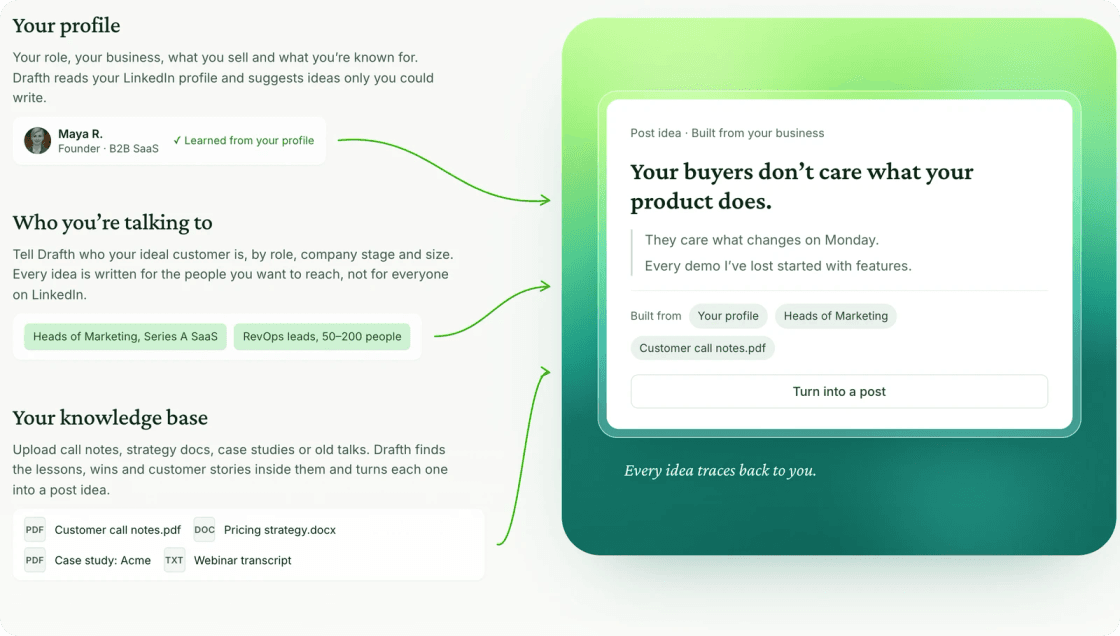
A content workspace where separate agents cover ideas, angles, hooks, posts, edits and research. It runs on Claude, OpenAI and Gemini Flash models, with Perplexity for research. Post ideas are drawn from each user’s own story and knowledge.
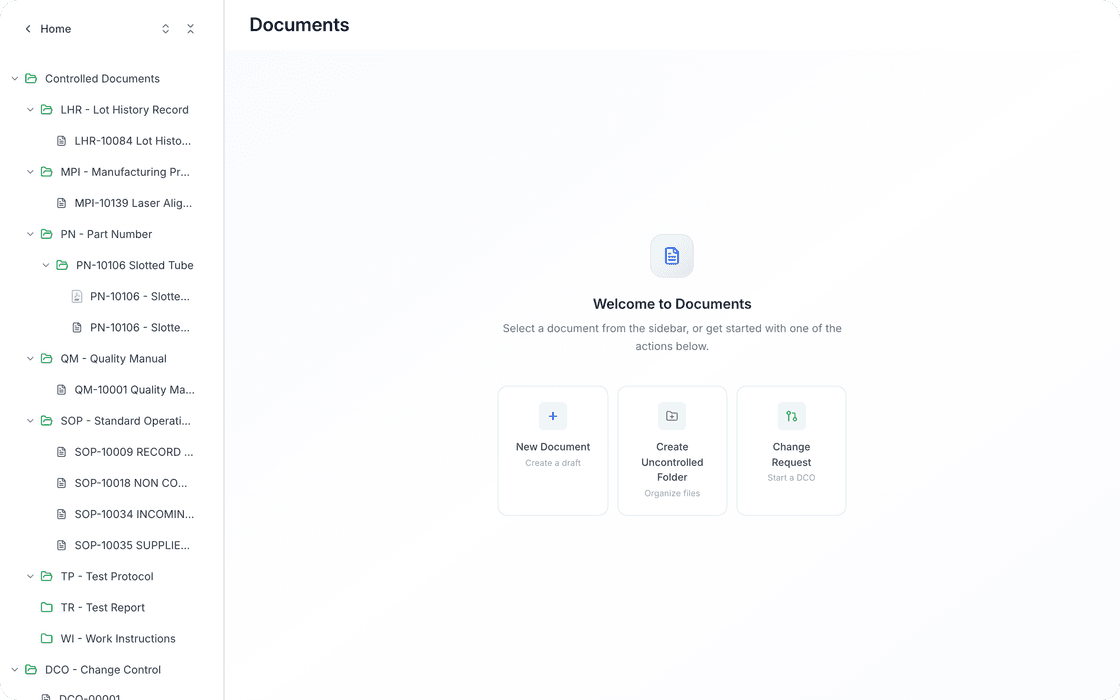

An AI assistant in a quality system built for FDA 21 CFR Part 11 requirements, with a separate search space per customer. Claude Sonnet 4 became the default after GPT-4.1 Mini didn’t use its tools reliably. Live, with more than 20 releases shipped to production since go-live.
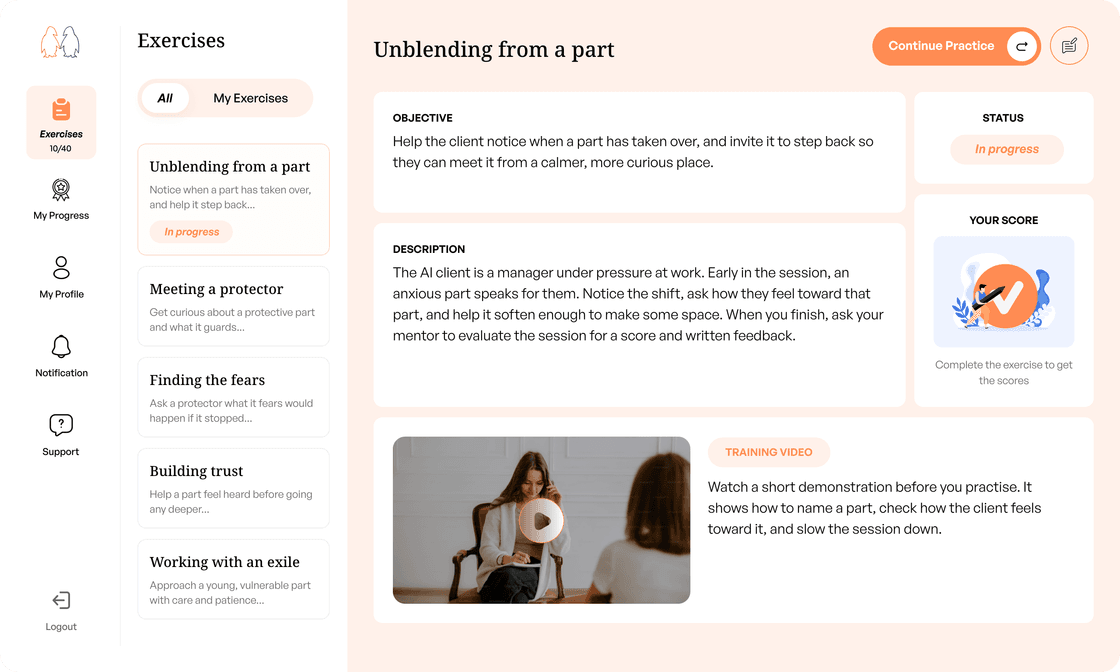

A two-agent voice app on GPT-4o: one agent plays the client out loud, another supervises with hints and an assessment. Scoring runs on a smaller OpenAI model to save API cost. Live; every session ends with a score and written feedback, so practitioners see their progress.
This is how to build agentic AI in six phases. A paid proof of concept folds phase 1 into phase 2. For a full agent team, phases 1–3 take 4–7 weeks, and build sprints lead to a first release in 5–9 months.
Proof of concept
2–4 weeks
One job run by one agent and by a split design, on your own tasks
Mapping to architecture
4–7 weeks
Phases 1–3 for a full agent team
Multi-agent system
5–9 months
To first release, once the scope is clear
Each phase ends in something you can check, so you can stop after the proof of concept.
Agentic AI development with Techuz costs $4k–10k for a proof of concept. A multi-agent system or agent team costs $50k+, built in phases. In McKinsey’s August 2026 analysis, in some banks a customer-facing single-agent workflow can cost up to $20,000–30,000 to run, against $100,000–200,000 for a multi-agent team. So the number of agents drives your running cost.
$4k–10k
Proof of concept
2–4 weeks
$50k+
Multi-agent system
Built in phases · 5–9 months to first release
Proof of concept
2–4 weeks
$4k–10k
Multi-agent system
Built in phases · 5–9 months to first release
$50k+
Our agentic AI software development services include discovery, QA and project management. We fix any agreed eval case that fails in the first 30 days, and the proposal lists hosting and model fees monthly.
See engagement models and pricing. Need agentic AI engineers in your own team instead? Hire a dedicated team; engineers start at $20 an hour.
Techuz keeps agents from colliding over your data. Cognition’s April 2026 review of multi-agent systems found that the patterns that work in production keep writes single-threaded.
For models, data and cloud, see AI security.
Techuz runs agent teams on LangGraph and its own Python and Node.js code, so every handoff can be read and debugged.
Tested per agent on your eval set
Cited web research; one search space per customer
Spoken agents steered from your server
Errors, cost and every handoff logged
We use LangGraph for multi-agent orchestration, including Drafth. CrewAI and agent SDKs are options we weigh per project, and the architecture document explains the choice.
When one agent or fixed rules can do the job, a team of agents only adds cost, and Techuz will say so. We’d also hold off if no person signs off on actions that change records, or you can’t share real examples. And we don’t build many agents writing to the same records at once.
Agentic AI development is building systems where several AI agents plan and carry out a job’s steps, each with its own role and tools. At Techuz, it covers where to split the job, orchestration, per-agent evals and a staged release.
Generative AI creates content, such as text, images or code, when someone asks. Agentic AI plans steps and uses tools to finish a job, often with generative models inside each step. Techuz builds both; see generative AI development for content features.
The monthly cost of running a multi-agent system depends on your run volume and each agent’s model, because every agent adds model calls. Techuz estimates fees per 1,000 runs in the proof of concept and tracks AI cost per customer account after launch. You pay the provider directly.
With Techuz, a proof of concept takes 2–4 weeks, plus 1–2 if sample tasks are missing. A multi-agent system is built in phases and reaches first release in 5–9 months, once the scope is clear. Each phase ends in something you can check, so you can stop after the proof of concept.
In a Techuz build, a reviewer step or a failed handoff check is set up to stop the run before anything is written. Techuz logs which agent failed, and the case joins that agent’s eval set, so every later release is tested against it.
Yes, Techuz can add agents to the product or agent you already have. We add them as a service inside your current product, so it needs no rewrite. An agent that has grown to do too much is split a step at a time, keeping what already passes its tests.
Tell us what you're building. We reply within 24 hours and send a ballpark estimate within 48.


