
Clinic staff and practitioners
Front desk and practitioner work from the same record, so nobody re-asks a patient for details.

We build the web apps your care runs on, from patient portals and clinic EMRs to quality platforms. Your provider website gets found by patients and AI assistants too.
4.9 on Clutch from 45 reviews · 500+ projects since 2013 · FDA 21 CFR Part 11 e-signatures in production
Our healthcare web development services build the patient portals, EMR software and quality platforms that health startups and established providers run on. We map your real forms and workflows first, so release one replaces a spreadsheet instead of adding another tool.
Healthcare web design starts from two very different users: a nurse between appointments and a patient on a phone at night. Screens meet the accessibility level your funders require, such as WCAG 2.1 AA for HHS-funded providers, and go through usability rounds, so fewer people call your front desk for help. See UI/UX design services.
Patient portal development gives patients and families one login to book, message, pay and see their own records, with privacy settings they control. Your staff answer fewer calls, and patients stop waiting on hold for routine tasks. See web portal development.
For clinics that have outgrown generic tools, our EHR software development covers patient records, scheduling, billing and reporting in one web app. EMR software development also connects billing to accounting tools such as QuickBooks, so nobody keys invoices in twice.
Medical device and regulated teams get controlled documents, change orders and approvals in one place, with e-signatures built to FDA 21 CFR Part 11. When an auditor asks who signed which revision, the answer takes seconds, not a week of digging.
We build clinic and care-provider websites as clear pages per service, with structured data that search engines and AI assistants can read. Patients who ask a chatbot about care near them are more likely to get an accurate answer that names you. See how below.
Our AI assistants search, summarize and act on your organization’s own records, linking every answer to its source and respecting each user’s access rights. Staff stop hunting through folders, and every answer can be checked. See RAG development.
Most healthcare web app development starts with one team’s spreadsheet, then grows to everyone who touches the same record. We build for four groups, as part of our wider healthcare software development work.
See our healthcare software development work.
Your team checks fewer places, retypes less and has the answer ready when an auditor asks.
Patients now ask chatbots before they search, so your website has to answer in words a machine can quote. In KFF’s March 2026 poll, 32% of US adults had used AI chatbots for health information in the past year. Our medical website development starts from that reader, as it did for a disability support provider in Australia (NDIS). In 2026 we turned its single 480 KB page into a 10-page site with structured data and an llms.txt file.
Each service and location gets its own page, title and description.
Markup tells machines who you are, what you offer and where.
Each page opens with a one- or two-sentence answer an assistant can quote as written.
A short file pointing AI tools to your most useful pages.
Pages load their main content in under 2.5 seconds, respond to taps in under 200 ms and meet WCAG 2.1 AA.
You get a site an assistant can describe accurately. We can also report what ChatGPT, Perplexity and Google’s AI answers say about you at launch and a month later. The same team builds your portal, so site and app stay one product. See web development services.
Pick off-the-shelf software when your workflow matches the product and you need it running this month. Go custom when staff keep spreadsheets beside the product to fill its gaps.
Not sure which way to go?
Our technical architecture review weighs both before you commit to either.
An EMR, a caregiver booking platform and a quality system for medical device teams, each built around its own rules.

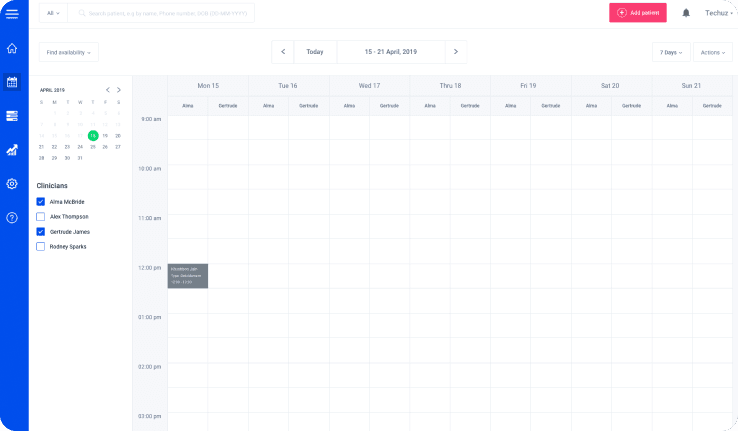
Patient records, scheduling, payments and built-in reports sit in one web app. The client ran the hosting, and we built the application in Angular, Node.js and MySQL. One login takes a clinic from booking to paid invoice, built to HIPAA requirements in the code.
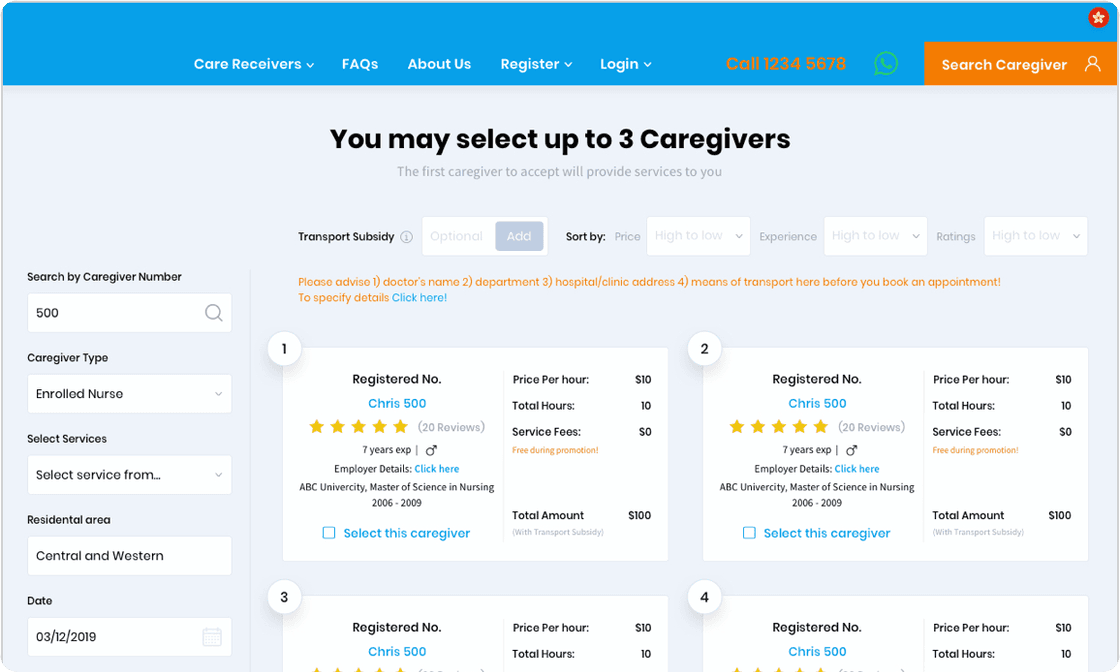

Care recipients choose a caregiver by rating and availability, book a time slot and message them privately. Every caregiver passes credential and background checks first, so only verified caregivers can take a booking, as government rules require. Angular, Node.js, MySQL and AWS.
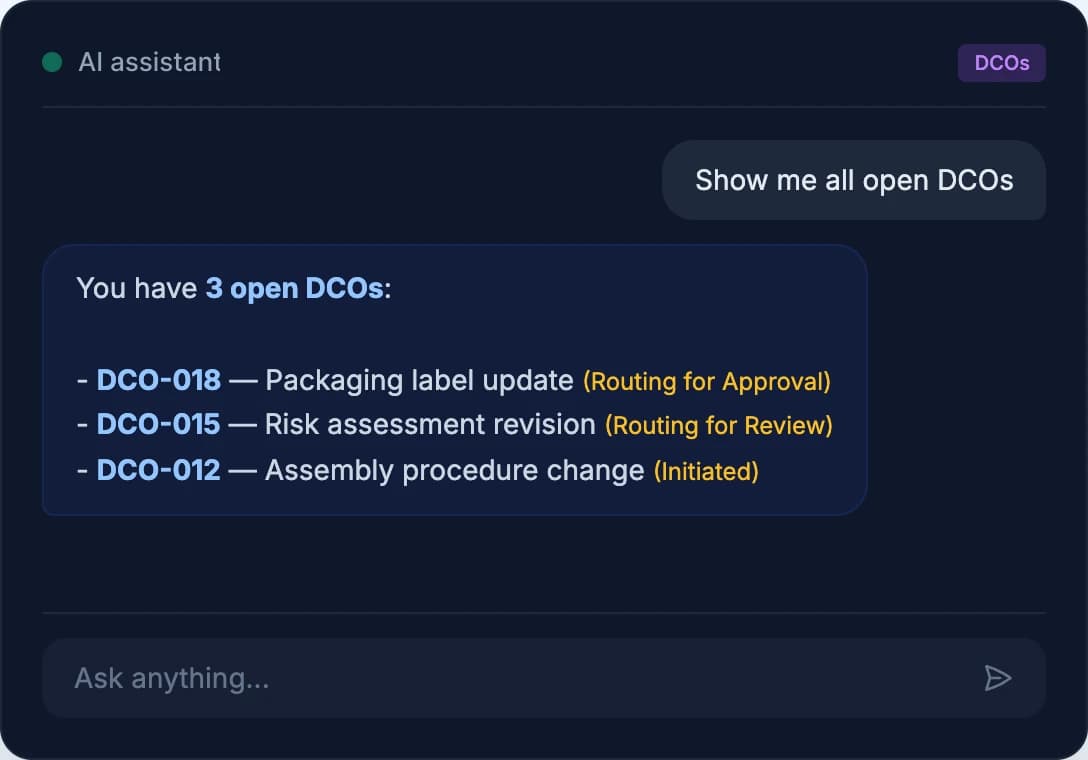

Quality teams co-edit controlled documents in real time in a React web app, then route change orders for approval, with signatures that follow FDA 21 CFR Part 11. Every completed approval produces a PDF certificate listing each signer, their meaning, timestamps and document fingerprints.
Clients on Clutch, where we hold a 4.9 average across 45 reviews. Quotes are the reviewers’ own words; the result lines are ours.
They’re a trustworthy team and always deliver what is assigned to them.
The result
New features shipped rapidly, and the client’s customers are happy.
Owner, Software Company
Software
This was the most reliable app development we’ve had in some time.
The result
Met every key criterion on time and on budget; changes needed only added fields, and the end client referred more clients.
James Abraham, IT Manager, SecureVault Consulting
IT consulting
Most impressive was their ability to take my requirements, build a scope document and follow it.
The result
Weekly Zoom updates and a revised scope of work kept the project flexible as needs changed.

Kevin Lewis, CEO, Schedash
Real estate SaaS
A mid-size healthcare web app takes 10–12 weeks, a small build 4–8 weeks and a large platform 4–6 months once the scope is clear. Across the 8+ projects we built with Claude Code in the last year, delivery took up to 50% less time than comparable builds the year before.
Small build
4–8 weeks
Mid-size app
10–12 weeks
Large platform
4–6 months
Healthcare web development at Techuz costs $10k–15k for a small build, $25k–50k for a mid-size app and $50k+ for a large platform. Compliance work such as audit trails, e-signatures and data residency is scoped in discovery, not added as a fixed fee.
$10k–15k
Small
4–8 weeks
A provider website with booking, or a portal for one user role
$25k–50k
Mid-size
10–12 weeks
An EMR or portal with 3–4 roles, billing and one integration
$50k+
Large
Built in phases · 4–6 months once scoped
A regulated platform with e-signatures and an AI assistant
Small
4–8 weeks
A provider website with booking, or a portal for one user role
$10k–15k
Mid-size
10–12 weeks
An EMR or portal with 3–4 roles, billing and one integration
$25k–50k
Large
Built in phases · 4–6 months once scoped
A regulated platform with e-signatures and an AI assistant
$50k+
Design, development, QA, deployment and 30 days of free support, at $20–25 an hour by role and seniority.
Unclear scope? A one-week Discovery Sprint costs $1,500–2,000.
We build to HIPAA requirements as practices you can inspect in the code, not as a badge. HIPAA work is shared: your cloud provider covers hosting under its Business Associate Agreement, and we build the rules into the app.
More on application security.
These are the tools behind the healthcare web apps we’ve shipped. New builds default to React or Angular on Node.js.
Typed APIs and live updates
Separate data per organization, row-level rules
Hosting in your account and region
Assistants on your own records, no lock-in to one provider
Fewer things typed twice
Healthcare web development is the design and build of websites and web apps for care providers, health startups and medical device companies. At Techuz that covers patient portals, EMR software, quality and compliance platforms, and provider websites. Each is built to the rules that apply to its data, such as HIPAA or FDA 21 CFR Part 11.
Techuz isn’t the right fit if you need clinicians on the build team; we have none and work through your own experts. We also haven’t built video consultations or e-prescribing yet. If you only need a template brochure site, a website builder will cost you less.
Techuz builds web apps ready to connect to EHRs through FHIR R4. Our FHIR work is FHIR R4 mapping and integration design. We have mapped FHIR R4 fields against Epic for one client, and that Epic integration build is in progress. See EHR and FHIR integration.
Both, with each side’s part written down before the build. Techuz builds access control, audit logs, encryption and session limits into the application. Your organization and cloud provider cover hosting under a Business Associate Agreement, plus policies such as staff training.
A patient portal from Techuz for one user role takes 4–8 weeks. A portal with 3–4 roles, payments and one integration takes 10–12 weeks. Each build starts with a one-week discovery, so the estimate rests on your real workflow.
An llms.txt file helps a little, but structured data and clear pages matter more. In Ahrefs’ June 2026 study of 137,000 sites, 97% of llms.txt files got zero requests in May 2026. Techuz adds the file because it costs almost nothing, then puts the real effort into service pages and markup.
A healthcare website or small web app from Techuz costs $10k–15k and takes 4–8 weeks. Mid-size apps cost $25k–50k, and large regulated platforms start at $50k, built in phases.
Tell us what you're building. We reply within 24 hours and send a ballpark estimate within 48.


