Software development technologies for every layer of your technology stack

We build your web app, API and mobile app on mainstream technologies your next hire already knows, so the product stays easy to run, extend and staff.

4.9 on Clutch from 45 reviews · 500+ projects since 2013

Our software development technologies

Our software development technologies cover the four layers a product runs on: interface, API and data, mobile app and cloud. We pick a stack your team can own after launch, so the code stays easy to extend and to staff.

Frontend technologies for web interfaces

The front end decides how fast your app feels and how easily search engines and new developers can read it.

React

React and Next.js power fast web apps, customer portals and server-rendered pages that search engines can index. One shared component library serves your web app and admin panel, so new screens ship faster as the product grows.

See React development services.

Angular

Angular suits large, admin-heavy business apps that several developers will extend for years. Its built-in structure for routing, forms and testing keeps a long-lived product predictable to change and cheaper to upgrade.

See Angular development services.

Vue.js

Vue.js is a lighter framework for adding interactive screens to an existing site or building a compact single-page app. Developers new to it pick it up quickly, which keeps onboarding time and training cost down.

See Vue.js development services.

JavaScript and TypeScript

JavaScript and TypeScript run in the browser and on the server, so one language can cover your interface, API and build tools. Typed code catches errors before release and makes a large codebase easier for the next developer to take over.

See JavaScript development services.

Tailwind CSS

Tailwind CSS turns your design system’s colors, spacing and type into utility classes inside the code. Screens stay true to the Figma file, and a brand change rolls out across the app from one config file.

See Tailwind CSS development.

Need the whole interface built from your Figma file? See our front-end development services.

Backend technologies for APIs, data and AI

The back end holds your business rules, data and integrations, so it sets how far the product can scale. We keep one main API and split out a service only where load or language demands it.

Node.js

Node.js with Express is our default for REST APIs, real-time features and background jobs behind web and mobile apps. Sharing one language with a React or Angular front end means fewer hand-offs and a larger pool of developers to hire from.

See Node.js development services.

Python

Python runs the AI and data side of a product: model calls, document processing, matching rules and data pipelines, often through FastAPI. It sits beside your main API as its own service, so AI work can grow without touching the core app.

See Python development services and AI development services.

PHP

PHP covers WordPress and WooCommerce sites, plugins and custom web apps that your content team can update without a developer. Hosting stays simple and running costs stay low for marketing sites, catalogs and small to mid-size stores.

See PHP development services.

Laravel

Laravel is a PHP framework for custom web apps that need an admin panel, scheduled jobs and a clear database structure. Its conventions for routing, queues and testing help a small team add business features quickly on standard PHP hosting.

See Laravel development services.

.NET Core

ASP.NET Core is Microsoft’s framework for APIs and web apps, common where a business already runs on Azure, SQL Server and Microsoft 365. New services built on it match the tools, hosting and skills your IT team already has.

See .NET development services.

For APIs and integrations on any of these, see our backend development services.

Mobile and cloud technologies

Four ways to build the app, and three clouds to run it on, in your own account. The first four rows are mobile, the last three cloud.

Mobile and cloud technologies
When it fits
FlutterOur default for new apps: one codebase for Android, iOS and Windows desktop. See Flutter app development.
React NativeTaking over, upgrading or migrating an existing React Native app, or a new build when your team works in React. See React Native app development.
iOS (Swift)When performance or deep device features are the product. See iOS app development.
Android (Kotlin)The same, on Android. See Android app development.
AWSOur default for hosting and CI/CD, in your own account. See AWS services.
AzureWhen you run on Microsoft or need Azure OpenAI in your tenant. See Azure services.
Google CloudWhen your data or team already runs there. See Google Cloud services.

How to choose a technology stack

Choose a technology stack by who will own the code after launch, what the first release must do, and how easily you can hire for it later. In Stack Overflow’s 2026 Developer Survey (October 2026), 62% of developers used JavaScript and 58% used Python.

The tech lead records the answers in a one-page stack decision note, signed with your requirements, so later hires know why the code looks the way it does.

We answer five questions in the first scoping call

  1. Who maintains it?

    If your in-house team works in React or Angular, we build in what they know.
  2. Does it need search traffic?

    Public pages need server-side rendering, which Next.js and Angular SSR both provide.
  3. How heavy is the admin side?

    Long-lived apps with many forms, roles and reports favor Angular’s built-in structure.
  4. Is AI on the roadmap?

    Then we plan where the Python service will sit before the first sprint.
  5. How long will it live?

    We check each framework’s long-term-support dates before fixing a version, and the yearly upgrade goes into your support plan.

Read the full guide: how to choose a tech stack.

React, Angular or Vue.js: side by side

Three front-end choices we build with, compared on what decides most projects.

React, Angular or Vue.js: side by side
React (with Next.js)AngularVue.js
Best forCustomer-facing web apps, SaaS products, pages that must rankLong-lived business apps with many forms, roles and reportsInteractive parts on an existing site; compact single-page apps
StructureA library; the team picks routing and state toolsA full framework with routing, forms and testing built inA progressive framework; add pieces as you need them
Search-friendly renderingNext.jsAngular SSRNuxt
When we pick itNew web productsProducts that grow into large admin platformsWhen your site or team already runs Vue

React vs Angular comes down to how much structure you want handed to you: React lets the team pick its tools, while Angular settles most of them up front.

For a startup’s first release, the Angular vs React choice usually lands on React with Next.js; for an internal platform that will keep adding forms and roles, on Angular.

Vue vs React: Vue is quicker to learn and lighter to drop into an existing site, while React has the larger ecosystem of libraries and developers.

Our take

Start mainstream and add only what the product needs.

A typical web development stack from us is React with Next.js, or Angular, on a Node.js API with a MySQL or PostgreSQL database. Python joins as a separate service when AI or data work calls for it, and exotic stacks get expensive the day you need to hire.

Projects built on these technologies

Three projects, three stacks, each chosen for the product.

Client logo

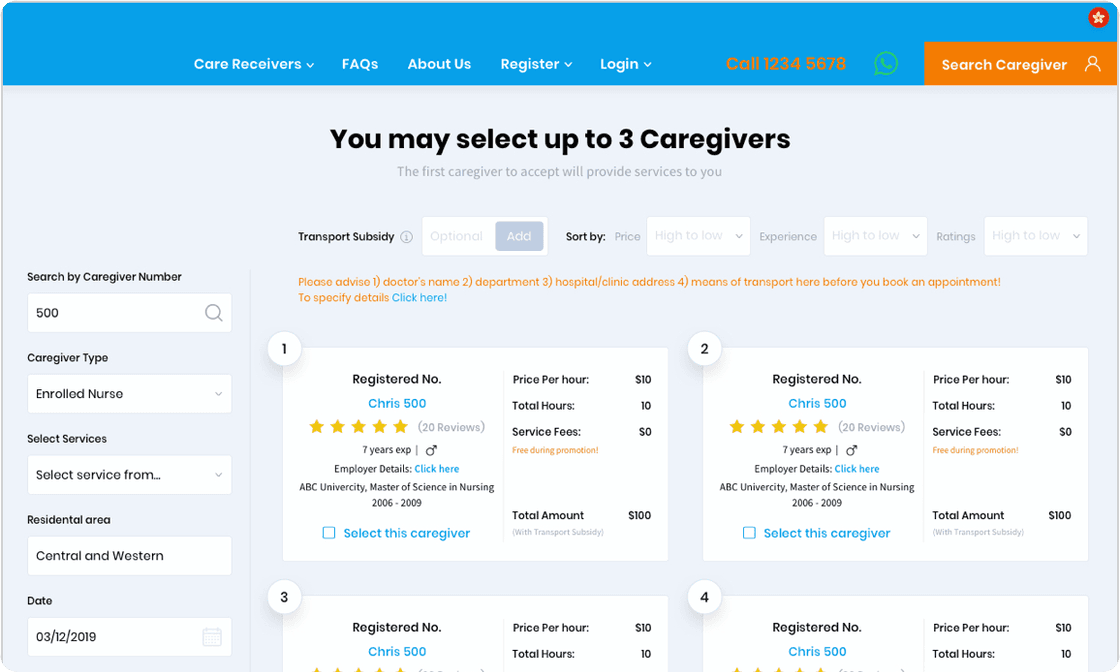
Home-care marketplace

Home care, Hong Kong

A home-care service marketplace built as an Angular 10 web app on a Node.js and Express back end.
Team
7 people
Timeline
12 months
Budget
$10k–25k
Home-care marketplace — Home care
Real estate listing marketplace — Real estate

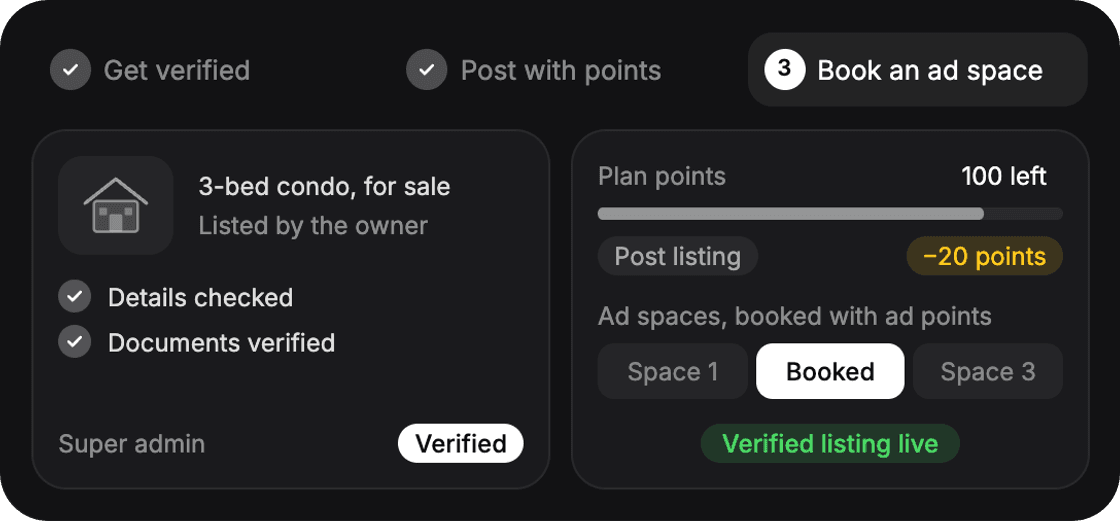
Real estate listing marketplace

Real estate, Singapore

A real estate marketplace with only verified listings and realtors. It launched with 8K+ property listings and 1.5K realtors, who paid in points from a plan and booked paid ad spaces.

Team
3 people
Timeline
About 21 months
Budget
$50k–199k
Deal-matching MVP — PoC trial
Deal match project mark

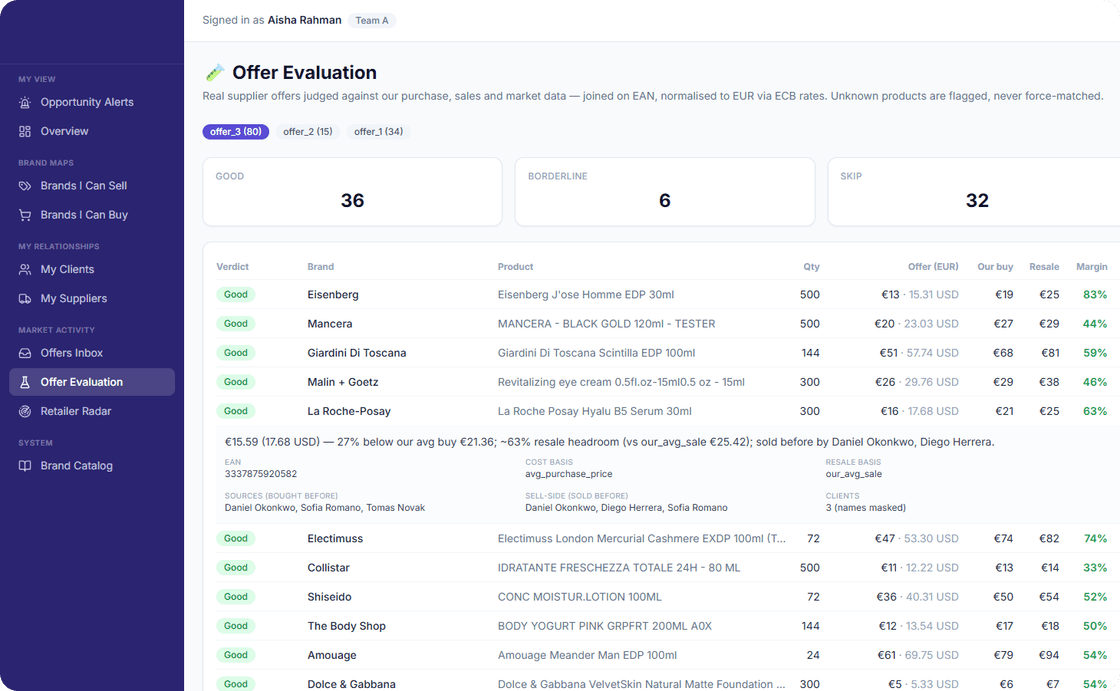
Deal-matching MVP

PoC trial, Netherlands

An 11-screen web app on React, TypeScript and Tailwind CSS, with a Python FastAPI back end that runs a data pipeline, matching rules and AI email parsing. We built it on the stack the client specified. The trial moved to an MVP with selected beta users.

Team
1 AI/ML engineer, our CTO on client calls
Timeline
About 3 weeks
Budget
Under $30k

Hire developers on these technologies

Already have a product and a backlog? Hire developers from the same team instead.

70 people in Ahmedabad

Among them 45 engineers (some of them AI engineers), 4 ML engineers, 4 QA, 3 designers and 3 DevOps engineers, with full-stack engineers who cover more than one stack. You interview each one; we send a shortlist in 2–4 working days, and they can start within 1–2 weeks.

$20–25 an hour

Each developer costs $20–25 an hour depending on role and seniority, billed for at least 160 hours a month, with 4 hours a day overlapping your US workday.

Code checked by a tech lead

Hired developers use Claude Code, and a Techuz tech lead spot-checks their pull requests. Across the 8+ projects we built with Claude Code in the last year, delivery took up to 50% less time than comparable builds the year before.

See hire developers, hire React developers, hire Node.js developers, hire Flutter developers or a dedicated development team.

Software development technologies FAQ

  • A technology stack is the set of languages, frameworks, databases and cloud services a product runs on, from the screen a user taps to the server behind it. The stack decides how fast you can build, what hosting costs and who you can hire to maintain it. Techuz recommends one in the first scoping call.

  • Start with who will maintain the code, what the first release must do, and how easily you can hire for the stack later. For most new web products, Techuz recommends React with Next.js or Angular on a Node.js API, adding Python only for AI or data work.

  • Yes for React, Angular, JavaScript and TypeScript, Tailwind CSS, Node.js, Python and PHP. Techuz developers join your repository and work to your coding conventions, backlog and tools. If your stack needs specialists we don’t have, we say so in the first call rather than learn on your budget.

  • Python runs as a separate service next to your Node.js API, handling model calls, document processing and data pipelines. The two talk over an internal API, so Techuz can add or change AI features without reworking the core app.

  • Techuz developers cost $20–25 an hour depending on role and seniority, billed monthly at a minimum of 160 hours per developer. Lead, AI and native mobile roles sit at the top of that range. A fixed-scope project starts at $10k–15k for a small build.

  • Techuz is not the right fit if you need SAP or Salesforce work, or a 24/7 on-call operations team. It is also the wrong choice if the only goal is the lowest hourly rate: our rate includes a Techuz tech lead checking the code.

Get a Ballpark Estimate for Your Project

Tell us what you're building. We reply within 24 hours and send a ballpark estimate within 48.

Tell us about your project

A few lines are enough. We reply within 24 hours.

By sending this form I confirm that I have read and accept the Privacy Policy