
Your pricing model, not the vendor’s
Subscriptions, memberships, referral rewards and plan-level features are built to your model, on your own payment gateway. You can, for example, offer SCORM uploads on higher plans only.

Our learning management system development gives your courses a platform you own, from an exam-prep academy to a professional training portal, without paying per seat.
4.9 on Clutch from 45 reviews · 500+ projects since 2013 · SCORM 1.2 and 2004 courses live on a platform we build
As an LMS development company, we build the platform your learning business runs on: exam-prep academies, course marketplaces, certification portals and training hubs. The journey that earns revenue or saves trainer time launches first; other roles follow in phases.
Course and certification platforms sell on-demand, live and cohort courses, then issue certificates and continuing-education credits automatically. Your catalog, payments and credits sit in one account, so learners buy the next course where they finished the last. See custom eLearning development.
An academy or school LMS gives students, teachers and partner institutes their own logins, classes, practice tests and progress dashboards. Coaching institutes and schools can run their own teachers on your platform, which turns one product into a second sales channel.
For training and L&D teams, we build platforms for programs, coaching sessions, communities and certificates. Your people learn, ask questions and get certified in one place, and managers see progress without chasing spreadsheets.
SCORM import lets you upload the course packages you already own and play them as native lessons, with progress tracked. Years of existing content go live on the new platform without paying to rebuild a single course.
Live classes run inside your platform with attendance marked automatically, while recorded lessons stream at the quality each learner’s connection can carry. Learners on weak mobile data keep watching, and trainers stop taking attendance by hand. Building a video LMS where the lessons are the product? See our video learning platform page.
AI features in your LMS write fresh practice quizzes, draft trainer bios from a CV and turn a vague search into the right courses. Generated questions follow the board, grade and difficulty you set, so teachers spend their hours teaching instead of writing tests. See AI in education and generative AI development.
Need learner apps too?
Our mobile app development team builds them on the same back end. See all our education software development work.
You set the pricing, roles and reports, and the platform changes when your courses do, not when a vendor’s roadmap allows it.
Most buyers need SCORM, the packaging standard behind most existing e-learning courses. SCORM 1.2 and 2004 support is built and live in production on a platform we develop. xAPI, cmi5 and LTI 1.3 we scope with you in discovery and price as new work.
SCORM 1.2 and 2004: built and live. An admin uploads a SCORM .zip as a lesson. AWS Lambda unpacks and validates it and serves it from S3, so a broken package fails at upload, not in front of a learner. Courses play on the open-source simplify-scorm runtime, tracking completion, score and objectives; learners resume where they stopped and get a certificate at the end.
| Standard | Status at Techuz | What it gives you |
|---|---|---|
| SCORM 1.2 and 2004 | Built and live | Existing courses play and report progress without rework |
| xAPI | Scoped in discovery | Tracks learning outside a course, such as a simulation or workshop, in a Learning Record Store |
| cmi5 | Scoped in discovery | xAPI with launch rules for packaged courses |
| LTI 1.3 | Scoped in discovery | Your tool opens inside a school’s LMS with the learner already signed in |
If schools will open your tool from Canvas, Moodle or Brightspace, plan for LTI 1.3 from the start. D2L said in September 2026 that Brightspace will disable LTI 1.1 launches for all customers by October 2027. Not sure your courses will play? Send three real SCORM packages during discovery. We run them through the player and report what plays, what tracks and what fails before your estimate is fixed.
Buy an off-the-shelf LMS when it covers your courses and you don’t sell learning as a product. Build when the LMS is your product, or when your pricing, roles and content don’t fit. In the Learning & Development Board’s May 2026 research, nine in ten L&D leaders were planning updates to their tech stack.
Unsure which route fits?
Book a 30-minute call, or start with a technical architecture review.
Three platforms, from exam prep in India to medical education and collaborative online classes, each serving several kinds of user.

A subscription platform for Grade 11 and 12 entrance-exam students, also sold to schools and institutes that bring their own teachers. We built the web platform, native iOS and Android apps, admin panel, test series, performance dashboards and an ask-a-doubt flow for trainers: nine user roles on one platform, with AI practice quizzes in production.
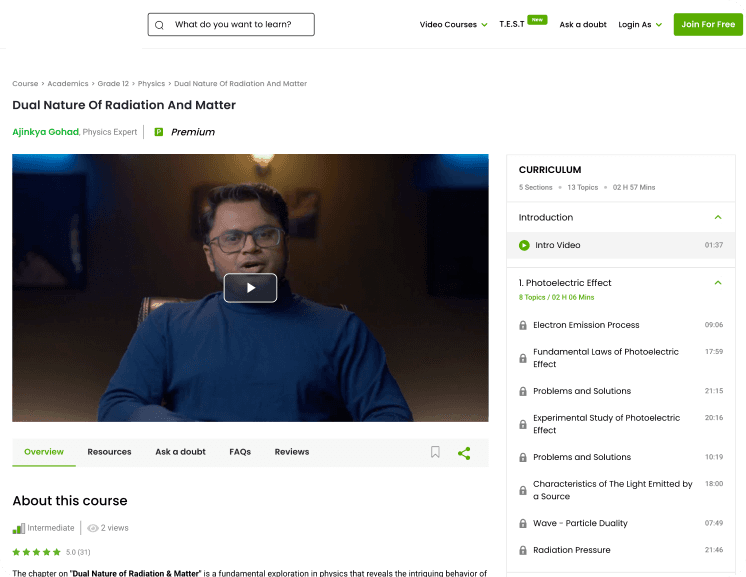
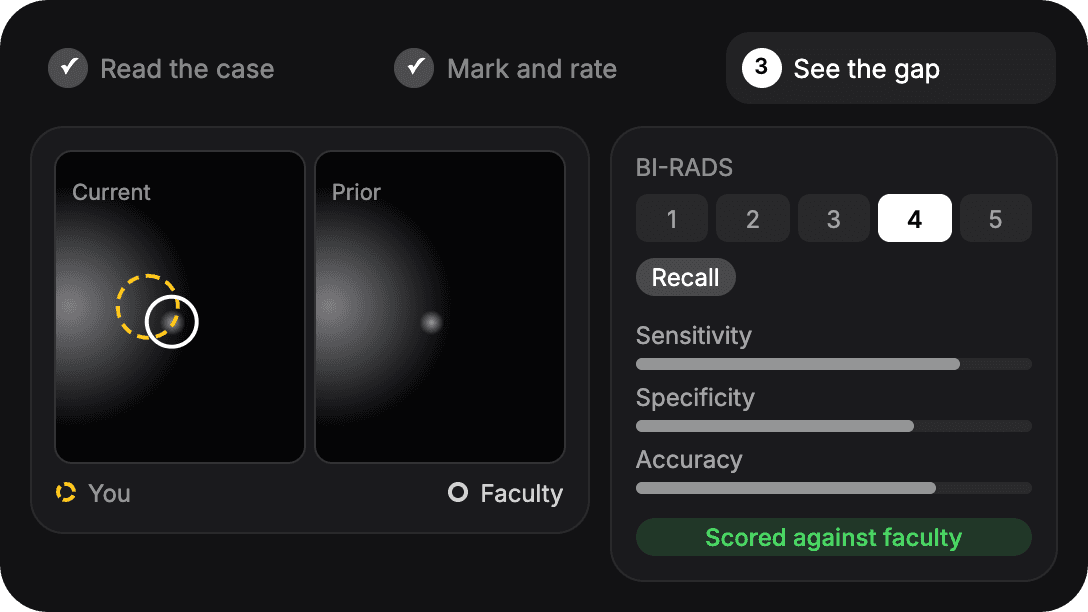
A radiology education platform with real case reading. Four course types in one account, plus anonymized DICOM cases read in the browser and scored against faculty.
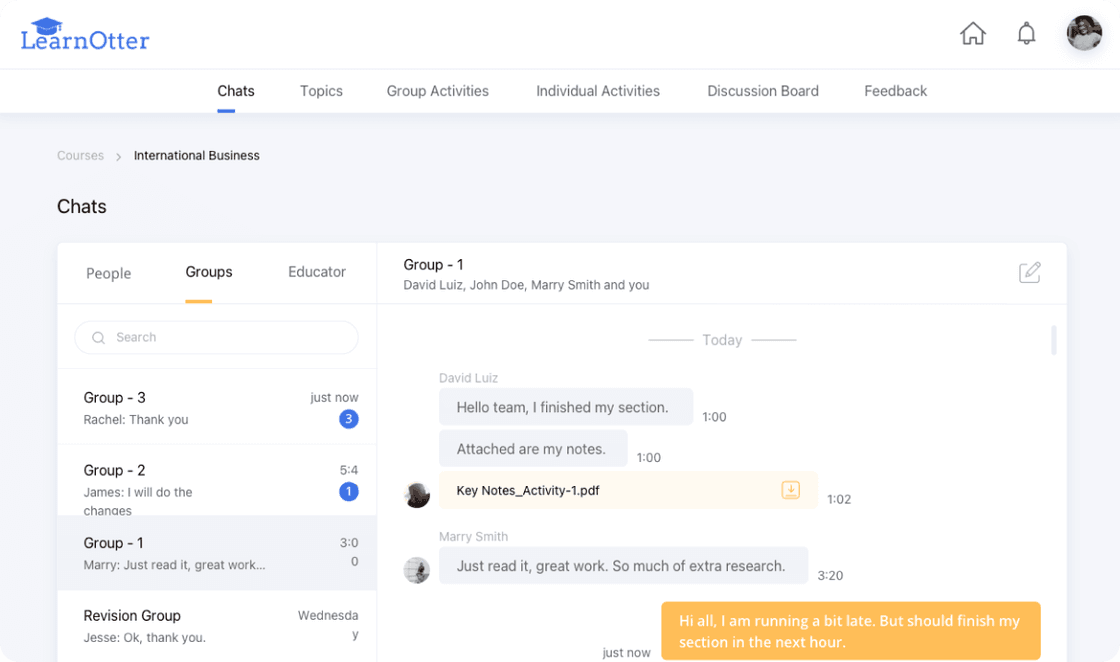

Online school and university classes chatted live, talked in forums, shared in a class channel and handled assignments in one place, with reports for teachers. Used by online school and university classes in the US.
A small LMS takes 8–12 weeks, a mid-size platform 12–24 weeks and a large one 6–12 months once the scope is clear. The six phases below show a mid-size build, with a working demo every two weeks.
Small LMS
8–12 weeks
Mid-size platform
12–24 weeks
Large platform
6–12 months
LMS development with Techuz costs $10k–15k for a small platform, $25k–50k for mid-size and $50k+ for large, built in phases. Rates are $20–25 an hour, depending on role and seniority. Phasing matters when budgets are tight: in Fosway’s July 2026 Digital Learning Realities research, one in four L&D teams reported budget cuts in 2026.
$10k–15k
Small
8–12 weeks
One course type, learners and an admin, payments and certificates
$25k–50k
Mid-size
12–24 weeks
Several course types and roles, SCORM import, live classes and reports
$50k+
Large
Built in phases · 6–12 months
Several brands or institutes, mobile apps, AI features and data migration
Small
8–12 weeks
One course type, learners and an admin, payments and certificates
$10k–15k
Mid-size
12–24 weeks
Several course types and roles, SCORM import, live classes and reports
$25k–50k
Large
Built in phases · 6–12 months
Several brands or institutes, mobile apps, AI features and data migration
$50k+
Every price includes QA and project management.
Hosting, video streaming and AI usage are listed with monthly costs in the proposal.
Launching a new course business? Start with a smaller first release through MVP development, or see engagement models and pricing.
With practices you can check: permissions tested per role, protected video, minimal child data and WCAG 2.1 AA.
We pick the stack that fits your platform and the team that runs it after launch, and explain each choice in the architecture document.
One API for web, mobile and admin
Package processing and adaptive streaming that grow with your library
Courses you own, and classes that never leave the platform
Subscriptions and course sales in India, the US and beyond
Learner apps for iOS and Android
Quiz generation, search and drafting through your back end; AI coding tools in delivery
If you run internal training on standard courses and sell nothing, an off-the-shelf LMS is cheaper and faster than LMS software development. Techuz is also not a course-content studio: we build the platform, not the lessons. And if you need xAPI or LTI shipped next month, choose a team that already runs them in production.
A learning management system (LMS) is software that delivers courses, enrolls learners, tracks their progress and issues certificates. Most also handle tests, live classes and reports for trainers and admins. Techuz builds custom ones when a business needs its own pricing, roles or content formats.
Buy when an off-the-shelf LMS covers your courses and roles and you don’t sell learning as a product. Build when the LMS is what you sell, or when your pricing, roles or content don’t fit. Techuz offers a free 30-minute scoping call to help you decide before you spend on either.
LMS integration connects your learning platform to the systems it depends on: payments, video, live classes, messaging and sign-in. Techuz has connected Stripe, Razorpay, Brightcove, BigBlueButton and WhatsApp messaging on learning platforms. LTI 1.3 connections to a school’s own LMS are scoped and quoted as new work.
About 8–12 weeks for a small platform, 12–24 weeks for mid-size and 6–12 months for a large one, once the scope is clear.
Yes, Techuz can move your existing courses and learners. We import SCORM 1.2 and 2004 packages as native lessons, and move learners, enrollments and certificates from your old platform at launch. A sample of your packages is tested in discovery, so problems show up before the build, not after it.
Tell us what you're building. We reply within 24 hours and send a ballpark estimate within 48.


