AI application security for LLM apps and AI agents

Launch AI assistants, copilots and agents on your own records and documents, with each customer’s data kept to that customer and every AI action traceable.

4.9 on Clutch from 45 reviews · 500+ projects since 2013 · An AI assistant with 55 permission‑checked tools in a live medtech platform

Our AI application security services

Our AI application security services make the assistants, copilots and agents you ship safe for real customers and real data. Startups reach their first enterprise security review with answers ready, and established businesses roll AI out without delay.

  • AI security assessment

    An AI security assessment maps what your assistant or agent can read, which tools it can call, and where its prompts, logs and keys live. Every gap is ranked by risk, so you know what to fix in the next sprint and what can wait.

  • Agent permissions and confirmations

    AI agent security starts with permission-scoped tools that pass your app’s own role and tenant checks, and changes wait for a person to confirm. Agents take real work off your team without becoming a side door into your data. See AI agent development.

  • Guardrails on what goes in and comes out

    LLM guardrails decide what the model may see, which answers it may give and what gets written to logs. Answers link back to the record they came from, so your users can check a claim in one click and trust the feature more.

  • Data separation for RAG and chat

    Customer and project data each get their own search space, so a missing filter can’t pull one company’s documents into another company’s answer. You can sell one AI product to many customers and keep each one’s data apart. See RAG development.

  • Prompt-injection tests and red teaming

    Injection and data-leak attempts run as test cases before launch, and we offer attacks hidden in uploaded files plus a red-team session. For LLM penetration testing or AI red teaming services with an independent report, a partner firm tests and we fix.

  • Spending limits and abuse controls

    Every AI call is checked against a spending budget, cost is tracked per organization, and browser keys can be short-lived. A script flood or a stolen key can’t run up your model bill overnight.

Building the rest of the app too?

See application security for secure coding, OWASP checks and hardening across your whole product.

LLM security: where AI features break, and the fix for each

LLM security means planning for the model to be fooled, so the limits sit in your code, not in the prompt. OWASP’s project leads released the 2026 Top 10 for LLM Applications in August 2026 with this advice: “Build the system around it, so that when the model is fooled, and it will be, nothing important breaks.”

LLM security: where AI features break, and the fix for each
What it looks likeHow we close it
Prompt injectionA user or an uploaded file tells the model to ignore its rulesThe model can’t do more than the signed-in user; injection cases run before launch
Too much agencyAn agent changes or deletes records nobody asked it toEach tool checks the user’s role before it reads or writes
Data leaking across customersOne company’s contracts appear in another’s answerA separate search space per customer, tested by trying to cross it
Personal data in logsPhone numbers, IDs and tokens pile up in logsA redacting logger and retention jobs that purge old records
Runaway usageA loop or a script burns through the model budgetSpending limits per call and per organization
Confident wrong answersThe assistant states a “fact” about a record that isn’t thereEvery answer links to its source record, and answers are checked against a test set

A chatbot that “only answers questions” changes risk the day it can read documents or call tools. We offer a fresh review whenever a feature gains a new data source or action.

AI security platform or engineering fixes: which do you need?

Choose an AI security platform to watch how a whole company uses many AI tools. Choose engineering fixes when the risk sits inside a product you build and sell. In IBM’s July 2026 Cost of a Data Breach Report, about one in five organizations reported an AI-related breach. Of those, 92% lacked proper AI access controls.

Where platforms stop

Many AI security solutions are gateways and scanners in front of the model. They can’t see your roles, your tenants or which records a user may change, because that logic lives in your code.

When a platform is the right call

Generative AI security for a whole workforce, such as staff pasting data into public chatbots, is a platform job. We’ll tell you if that’s your real risk.

AI products where we built the security in

A regulated quality platform, a production finance platform and our own AI interviewer, each with its AI limited in code.

Client logo

Medical device quality software

Medical device SaaS, USA

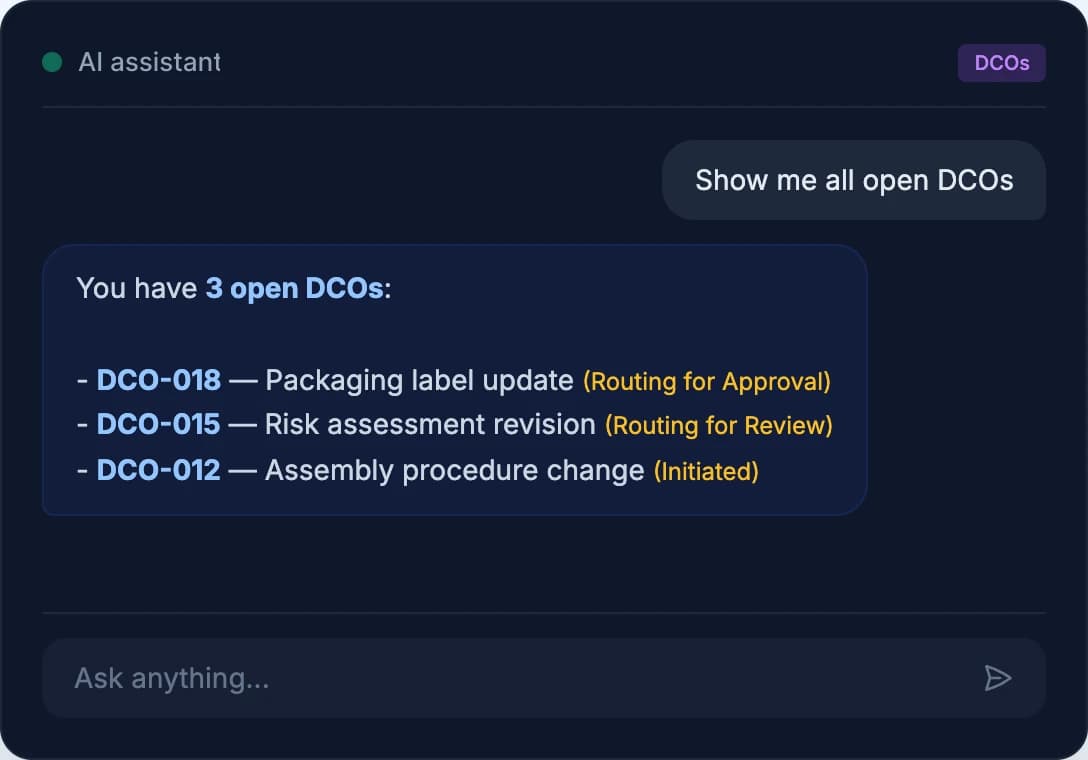
An AI assistant inside a quality management platform built for FDA 21 CFR Part 11 requirements. Its 55 tools (32 read, 23 write) call the same internal API as the app’s own screens, and every change needs the user’s confirmation. Each customer organization’s data is kept apart. Live, with 20+ releases to production and a 15-area eval suite that reruns before any model change.

Team
5 people
Timeline
13+ months, ongoing
Budget
$100k–250k
Medical device quality software — Medical device SaaS
Film production crew and payments platform — Media and entertainment
Client logo

Film production crew and payments platform

Media and entertainment, India

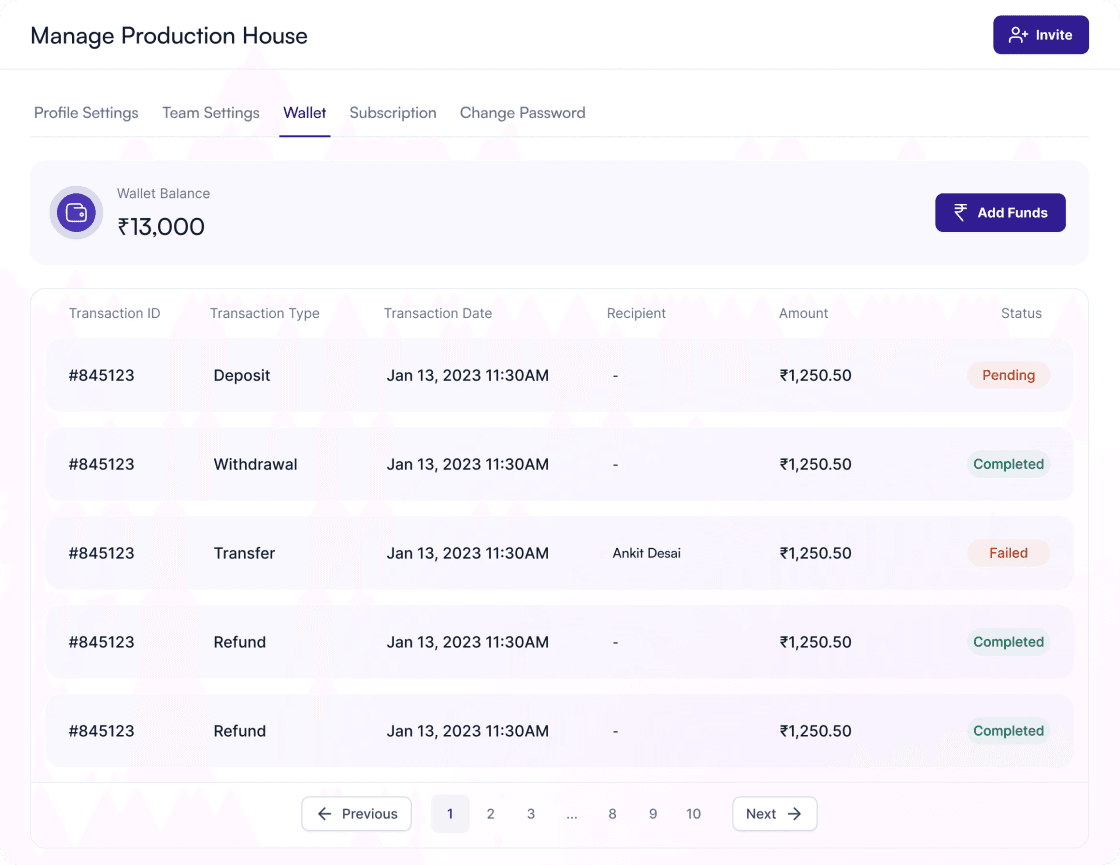
A document chatbot for crew payments and production paperwork. Answers come only from the production the user belongs to, and each answer stays inside that production’s files. Live, with 3,300+ commits across backend, web app and admin.

Team
5 people
Timeline
About 22 months, still supported
Budget
$50k–100k
AI interviewer for first-round hiring — Our own product · HR tech
Understudy

AI interviewer for first-round hiring

Our own product · HR tech, India

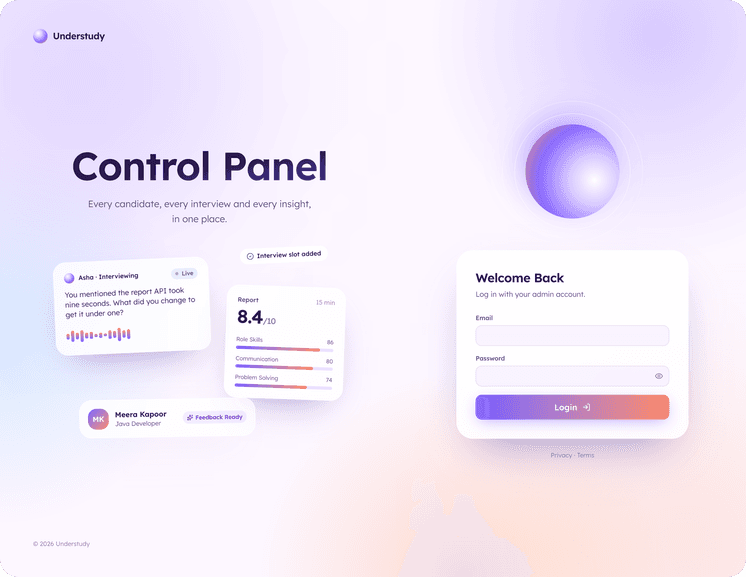
Candidates give consent before a spoken AI interview starts, recordings are deleted after 90 days, and interview links are stored only as hashes. Every AI call is checked against a spending budget, and the browser gets a voice key that expires in 120 seconds. Live on Techuz’s own first-round hiring, with tokens and transcripts redacted from logs.

Team
2 people
Timeline
About 3 weeks to a working scoring method
Budget
Under $30k (internal build)

How an AI security engagement runs

A review of one AI feature takes 1–3 weeks, and hardening an assistant or agent already in use takes 4–8 weeks. Across the 8+ projects we built with Claude Code in the last year, delivery took up to 50% less time than comparable builds the year before.

Typical length
  • Review of one AI feature

    1–3 weeks

    Phase 1 plus about a week of quick fixes

  • Hardening an assistant or agent

    4–8 weeks

    Phases 1–3, then release

  • Built into a new AI product

    3–6 months

    Inside the product timeline

The five phases

A review on its own is phase 1 plus about a week of quick fixes.

A partner pentest, if you need one, follows phase 3.

How much does AI security cost?

AI security reviews and hardening with Techuz are quoted as a fixed price after a free 30-minute review call. Security built into a new AI product sits inside the build: $50k+, built in phases. Rates are $20–25 an hour, by role and seniority.

Review

1–3 weeks

Quoted

fixed, after the free review call
  • One AI feature
  • Data map and ranked fix list
  • Quick fixes

Hardening

4–8 weeks

Quoted

fixed, after the free review call
  • Permission scoping and data separation
  • Injection tests
  • An eval set

Built in

3–6 months

$50k+

inside the product, built in phases
  • A new regulated AI product
  • Security from discovery to release

What moves the price

  • Whether your AI can change records
  • How many tools and data sources it touches
  • How many customers’ data must stay apart
  • Old code, secrets in the repo, no tests, extra pentest rounds

What’s included

Every price includes QA, project management and 30 days of free support. A partner pentest is billed by the partner, and model usage is paid by you straight to the provider.

Where does your data go while we secure your AI?

Your data stays in your accounts, and it reaches a model only with your written approval.

Your accounts and your keys

Code, cloud and AI deployments live in your accounts, and credentials sit in Azure Key Vault or AWS Secrets Manager, never in chat or email. Our access is removed within 7 days of the project ending.

Models that don’t train on your data

We use API settings with no training on your data, or deploy Azure OpenAI inside your own cloud tenant. Self-hosting an open-weights model? See AI infrastructure.

A log of every AI action

In HiddenLayer’s March 2026 AI Threat Landscape Report, 31% of organizations didn’t know whether they had suffered an AI security breach. So every AI call and tool call is logged with who asked and what changed, so you can answer that question.

Evidence for your auditor

Each AI feature gets an EU AI Act check during discovery, and its AI logs and access records go to your auditor. Audit readiness for the whole app sits with application security.

Technology we use to secure AI features

Models, retrieval and tools behind the same checks as the rest of your app.

  1. Models and gateway

    One API across providers, with providers that don’t train on prompts

    • Claude
    • GPT
    • OpenRouter
    • Azure OpenAI
  2. Retrieval

    Fast search across your documents, with source links

    • Pinecone namespaces
    • OpenAI embeddings
  3. Access control

    The same checks for people and for the AI

    • RBAC middlewareAuth → RBAC → TenantGuard → Validation
    • OAuth
    • Admin 2FA
  4. Tools and agents

    Every tool call goes through your app’s own API

    • Your APIs
    • Function calling
    • LangGraph
  5. Testing and monitoring

    Attacks and regressions caught before users see them

    • Eval suites versioned with code
    • Playwright
    • Sentry
    • CloudWatch
    • Azure Monitor

AI security FAQ

  • Techuz isn’t the right fit if you only need a certified pentest report; a specialist firm is faster. We hold no ISO 27001 or SOC 2 certification and run no 24/7 security operations center. If your risk is staff pasting data into public chatbots, an AI security platform fits better.

  • AI application security keeps the AI features inside a product from leaking data, taking unwanted actions or being turned against users. It covers what the model can see, which tools it can call and how customer data is separated. Techuz builds these limits into the app’s code and tests them.

  • Prompt injection is text, typed or hidden in a document, that tells an AI model to ignore its instructions. It tops the 2026 OWASP Top 10 for LLM Applications. No filter stops it every time, so Techuz limits what a fooled model can do and tests injection cases before launch.

  • Agentic AI security protects AI agents that call tools and change records. The main gaps are agents with more rights than the user and tool calls nobody logged. Techuz gives every tool its own permission check and logs each call with who asked.

  • Techuz runs prompt-injection, permission and data-leak tests in every AI feature before launch. For an independent, certified pentest, we bring in a partner firm or work with yours, then fix the findings and retest. The partner bills its part directly to you.

Get a Ballpark Estimate for Your Project

Tell us what you're building. We reply within 24 hours and send a ballpark estimate within 48.

Tell us about your project

A few lines are enough. We reply within 24 hours.

By sending this form I confirm that I have read and accept the Privacy Policy