
Learners come back every day
Opening the app earns a little; finishing a lesson or passing its quiz earns the most. A daily habit forms around progress the learner can see.

We build microlearning apps for children, students and busy teams, with lessons, quizzes and rewards designed so learners come back tomorrow.
4.9 on Clutch from 45 reviews · 500+ projects since 2013 · A children’s reading app built and supported for about eight years
Our microlearning app development services build short-lesson apps for EdTech products, schools and training teams, with a quiz or a reward in every lesson. We plan what brings learners back before we design screens, so your microlearning solutions keep daily users, not just downloads.
Mobile microlearning apps put short lessons on iOS and Android, built in Flutter or native Swift and Kotlin, with push reminders timed to each learner’s routine. A lesson fits into a commute or a break, so daily use grows without asking for longer sessions. See mobile app development.
A microlearning platform gives your content team a web admin to publish lessons, learning paths and quizzes without waiting on a developer. New lessons go live the day they’re written, so your catalog keeps pace with what learners need.
Gamification for an existing learning app adds points, streaks, badges and leaderboards, tied to the actions that show real learning. You keep your codebase and your users, and give them a reason to open the app again tomorrow.
Micro-quizzes after each lesson check what stuck, and generative AI drafts new questions into a bank your team reviews. Learners never meet the same question twice, and the bank grows with every quiz. See AI in education.
Practice apps for professional training give adults repeatable sessions between formal courses, with a score, feedback and badges after each one. Trainees keep building skill between classes, and your program gets more value from every training day.
Part of our education software development work, alongside custom LMS platforms and education apps.
Short content is easy to make; the app decides whether anyone opens it a second time. The need is real. In Kahoot!’s Frontline Workers Report from September 2026, 58% of frontline workers had been asked to do a task without the relevant training.
The hard part of a microlearning app is the second week, so we design the reward rules as carefully as the lessons. Daily habit is what grows learning apps: Duolingo’s Q3 2026 results, released in November 2026, showed daily active users up 29% year over year. Below is the reward engine we have built and run for about eight years on a children’s reading app.
The same thinking works for adults. On a practice app for therapists, tiered badges and a progress view keep trainees practicing between courses. Rewards never pay for time on screen.
Choose a microlearning app when learners have minutes, use phones and coming back is the problem. Choose a learning management system when you run full courses, enrollments and training records. Many clients start with one and connect the other later.
Need full courses and training records?
See custom LMS development. Building a broader learning product with full courses, video and payments? See education app development.
A children’s reading app and a practice app for therapists: two ways we bring learners back.

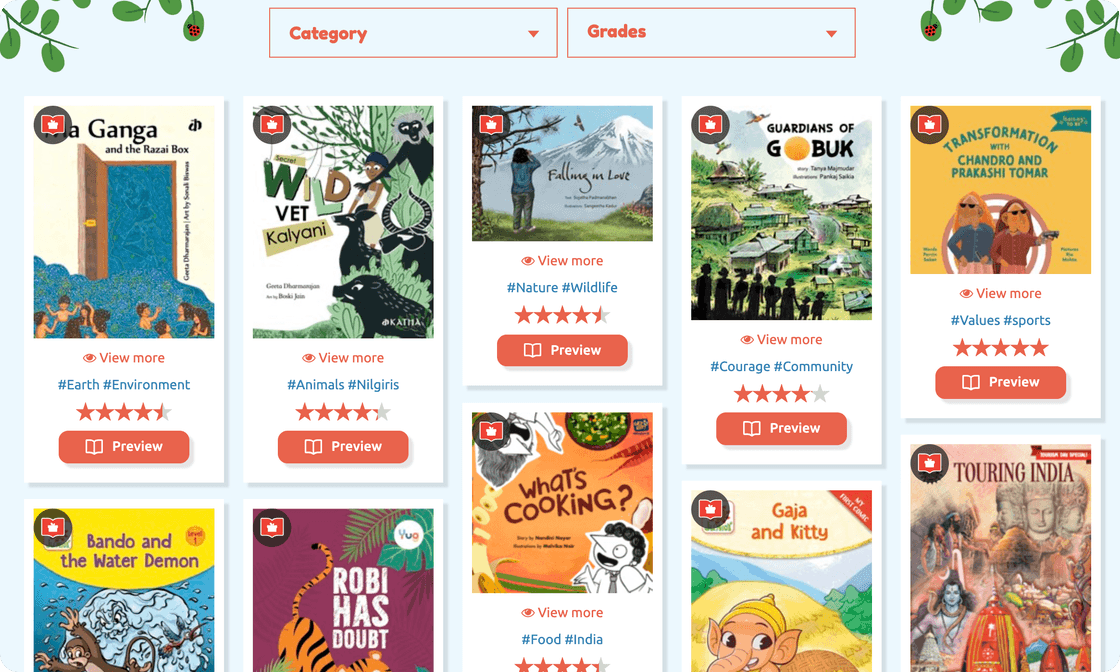
Points, streak bonuses, collectible badges, a quiz after every book, local leaderboards and a moderated reading competition, across a web app, native iOS and Android apps, an admin panel and a publisher portal. Children come back because their points, levels and streaks depend on reading.

Practitioners rehearse sessions out loud with an AI client and ask an AI supervisor for hints. Tiered badges track their progress, with a score and written feedback after every session, so trainees keep practicing between courses.
A mid-size microlearning app takes 8–12 weeks across four phases before launch, with a working demo every two weeks. Small apps take 3–6 weeks, because design folds into discovery.
Small app
3–6 weeks
Lessons, a quiz after each, streaks, a basic admin
Mid-size
8–12 weeks
iOS and Android plus a web admin, full gamification
Large
3–5 months
Several roles, an AI question bank, contests
A microlearning app with Techuz costs $10k–15k for a small build, $25k–50k for mid-size and $50k+ for large, built in phases. Rates are $20–25 an hour, depending on role and seniority.
$10k–15k
Small
3–6 weeks
One app with lessons, a quiz after each, streaks and a basic admin
$25k–50k
Mid-size
8–12 weeks
iOS and Android apps plus a web admin, a full gamification layer, progress reports and payments
$50k+
Large
Built in phases · 3–5 months
Several roles (learners, parents, teachers), an AI question bank, contests and analytics
Small
3–6 weeks
One app with lessons, a quiz after each, streaks and a basic admin
$10k–15k
Mid-size
8–12 weeks
iOS and Android apps plus a web admin, a full gamification layer, progress reports and payments
$25k–50k
Large
Built in phases · 3–5 months
Several roles (learners, parents, teachers), an AI question bank, contests and analytics
$50k+
AI features also carry a running cost, which we estimate per 1,000 calls.
Every price includes QA, project management and free support for the first month.
Want to test the idea with real learners first? Start with an MVP, or see engagement models and pricing.
Child safety decides how sign-in, profiles and rewards work, so we plan it in discovery. We build to US and UAE child-privacy rules where they apply, and screens meet WCAG 2.1 AA. See how we handle child accounts and privacy on our EdTech page.
Flutter is our default for new apps; we choose native Swift or Kotlin when the product needs it. The reason goes into the architecture document you sign.
One codebase for iOS and Android, or native for device-heavy features
APIs and scheduled jobs for reminders and weekly reports
Push, email, SMS and in-app nudges
Readers, embedded lessons and read-aloud
Storage and fast delivery of lessons and media
Quiz drafting and practice, called through the back end with prompts versioned
Microlearning is teaching in short, focused lessons, often a few minutes each, with a quick check after every lesson. Microlearning software delivers those lessons on a phone or the web and tracks progress. Techuz builds microlearning apps that add streaks, rewards and reminders, so learners return every day.
It works when learners come back and the app checks what they learned. Techuz ties rewards to progress, such as passing a quiz after each lesson, rather than to opening the app. On a children’s reading app we have supported for about eight years, children return because their points, levels and streaks depend on reading.
Yes, Techuz can add gamification to an app you already run. The team reviews your app’s code and data first, then adds points, streaks, badges and leaderboards through your existing back end. The reward rules are agreed with you in writing before the build starts, and every reward is tied to an action that shows learning.
With Techuz, a small microlearning app takes 3–6 weeks and a mid-size app with iOS, Android and a web admin 8–12 weeks. A large platform takes 3–5 months. Our school wellbeing platform, still in development, has 205 lessons and check-ins built in about four months. Approved designs and ready lesson content shorten the timeline.
Yes, Techuz builds microlearning apps for children. Our reading app for children and our wellbeing lessons for school pupils both keep rewards tied to learning and accounts under adult control. Our child-safety approach is set out on our EdTech page.
If you need lessons written, videos filmed or instructional design without an app, a content studio fits better; Techuz builds the software. If an off-the-shelf microlearning tool already does what you need, subscribing costs less. A very small pilot rarely justifies a custom build.
Tell us what you're building. We reply within 24 hours and send a ballpark estimate within 48.


