
Customers find the bugs first
Bug reports come from users, not test runs.
What we do
We trace each escaped bug to the missing test and write it, so the same gap can’t open twice.

Get a test strategy your own team can run for the web app, mobile app or AI feature you ship, starting with an audit that ranks what to fix first.
4.9 on Clutch from 45 reviews · 500+ projects since 2013 · About 10 QA specialists in‑house
Our QA consulting services find where bugs slip past your team, then set up the test strategy, automation and AI evals that stop them. Founders get a test plan before launch and growing teams a release process that holds, starting with a ranked fix list in 1–2 weeks.
A QA audit checks how your product is tested today, from requirements and test cases to the defect log and release checks. Depending on scope, it adds a round of integration testing and new test cases, so fixes start from evidence. See code audit and software consulting.
For products without a clear test strategy: we set scope, test types, the device and browser matrix, and entry and exit criteria. Test cases are written before each module is built, so developers know the target.
For in-house teams, or teams working with another vendor, who need one way of running QA. A shared defect log, P1–P4 triage and a “QA-verified on staging” step give every release the same checks. See how we work.
Test automation strategy decides which flows to automate, such as sign-up, checkout and billing, and which stay manual. Automated tests then run with every code change, so regression stops eating days of each sprint. See DevOps services.
AI features give different answers to the same input, so they need eval sets, not click-through tests. We write expected behaviors from 50–200 real cases and re-run them before any prompt or model change. See AI development services.
A review of how your product tests login, payments, uploads and roles, against the OWASP Top 10 and a role-by-role permission matrix. Users see only their own data, and your formal pentest goes to a specialist. See application security.
When customers find bugs before your team does, or testing delays every release. In SmartBear’s March 2026 survey of 273 software leaders and engineers, 68% worried that faster AI development will create testing bottlenecks.
Building agents that act on your data? See AI agent development.
Fewer bugs reach your customers, every release gets a clear go or no‑go, and automation goes only where it pays back.
We review how your product is tested, not the code itself; that is a code audit. Each finding gets a P1–P4 severity and a named fix. In PractiTest’s State of Testing 2026 report, nearly 40% of individual contributors said test strategy was missing or underdeveloped, against 25% of leaders.
A sample QA audit report: a one-page summary counting findings by severity (P1 to P4), then one sample finding for each of the eight areas with its call and the area's score out of 4. Figures are illustrative.
Does every story have criteria a tester can pass or fail?
Test cases traced to requirements and to the permission matrix, with negative and edge cases.
Severity against priority, reopen rate, and how many bugs escape to UAT and production.
Staging that matches production, and no live personal data used in testing.
What runs on each pull request, which tests are flaky, and whether a red build blocks the merge.
OWASP Top 10 checks, every role tested, and tenant isolation on multi-tenant products. See SaaS development.
Release checklist, smoke test right after deploy, and production errors from Sentry feeding regression priorities.
Eval sets, how often they run, and checks on sampled live answers. See RAG development.
You get our findings, with quick wins kept apart from longer fixes. For a code and architecture review, see our software consulting services.
QA consulting fits when you have developers or testers and need the strategy, test cases and set-up. Managed QA fits when you need people testing every sprint.
Need testers every sprint?
See our software testing services.
Three products, each tested against the rule that mattered most.

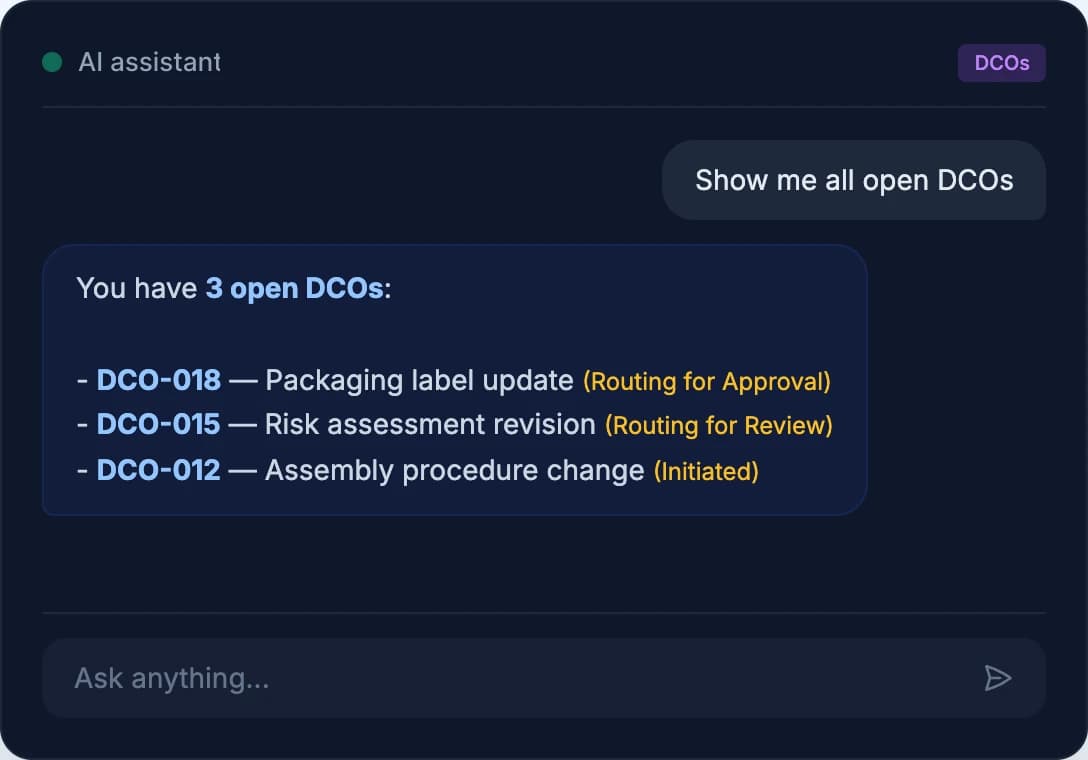
Before the assistant could change records, we set the 15 areas it must pass, from answers drawn from each company’s documents to multi-step tool calls and write actions. The suite runs on both Claude and GPT models, beside tests for FDA 21 CFR Part 11 e-signatures. No release or model switch goes out until the full suite has run.
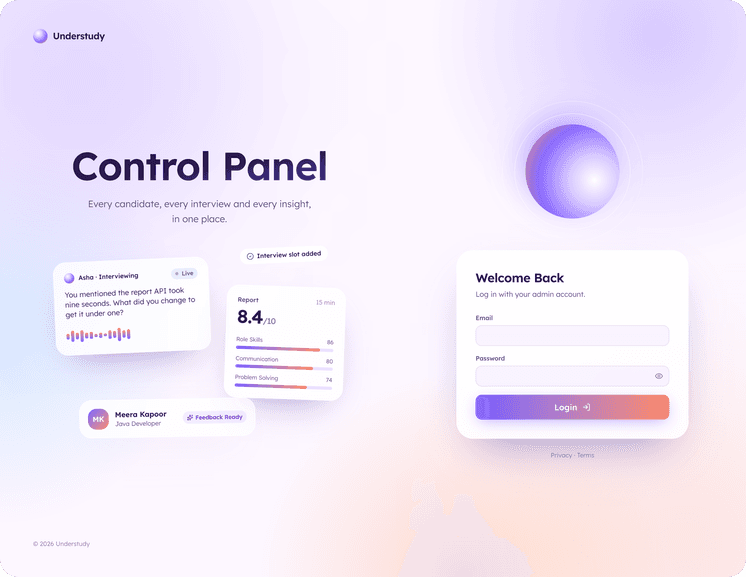

We compared the AI’s interview scores with a person’s scores on four real interviews, then tuned the scoring until they agreed. A fairness test rewrote 46 answers in fluent native English to check that polish alone doesn’t lift a score. The average gap to human scores fell from 1.75 to 0.4 out of 10; the rewrite moved scores by only 0.13.
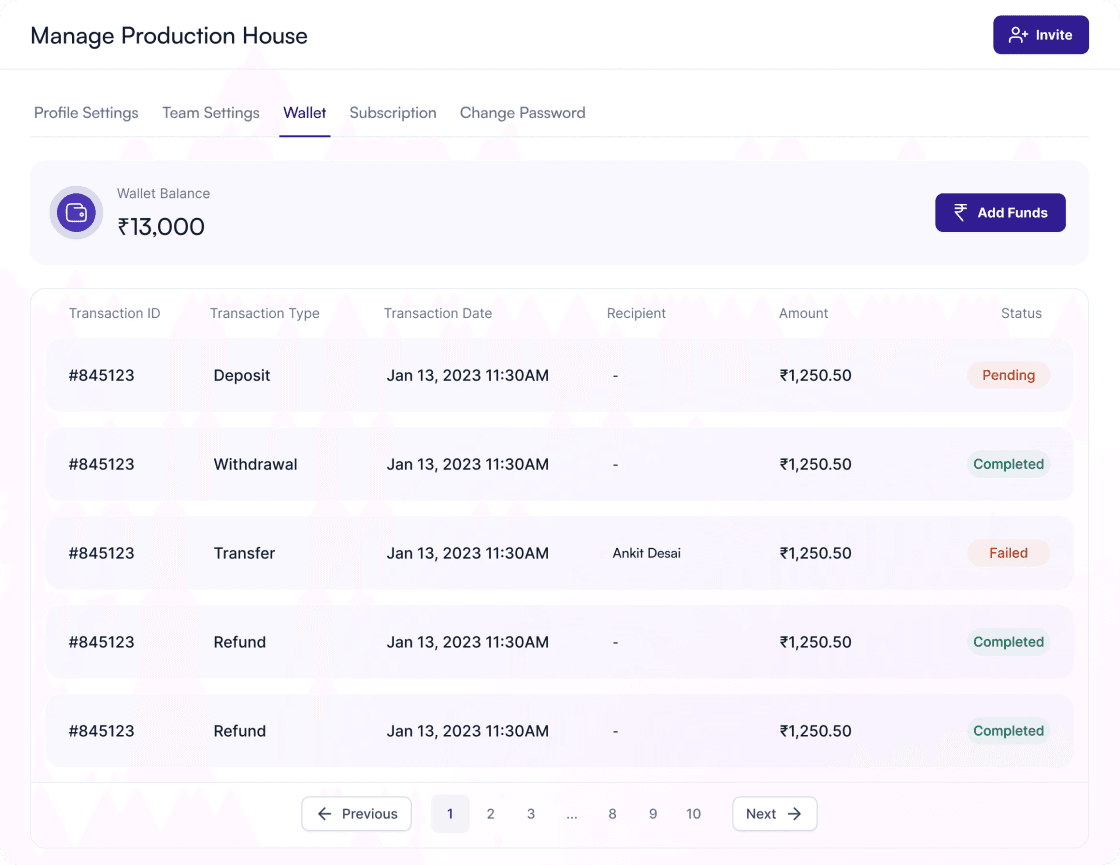

Each production’s documents sit in a separate Pinecone namespace. Our isolation tests check that one production’s files never show up in another production’s answers.
Clients on Clutch, where we hold a 4.9 average across 45 reviews. Quotes are the reviewers’ own words; the result lines are ours.
An audit alone takes 1–2 weeks. With test strategy and test cases it takes 2–5 weeks, and with automation of 20–40 flows, 4–9 weeks in all.
We use AI coding tools in our own delivery and test their output the same way.
Across the 8+ projects we built with Claude Code in the last year, delivery took up to 50% less time than comparable builds the year before.
At Techuz, a QA audit with a test plan, test cases and one round of testing costs $2k–5k for a small app. QA set-up or automation of 20–40 flows runs $5k–15k; ongoing QA is on our software testing services page. Advice-only consulting is billed per hour, from $20 an hour.
An audit costs more the more there is to check: each role, platform and integration adds test cases. Missing specs, regulatory rules and AI eval sets add days.
We keep every test case and suite in your tools and repo. Automation and load testing are added on request at extra cost; we recommend automation for bigger products.
An outside QA team should get narrow access that ends with the work. Here is how ours does.
Every tool we set up stays in your accounts and needs no paid license from us, so your team keeps using it after we leave.
Test cases and defects where your team already works
End-to-end flows, backend suites and API checks
Tests run on every pull request; a red build blocks the merge
Speed, accessibility, basic security scans, devices and live errors
Answers checked against expected behavior before any change
Techuz is not the right fit if you need a certified penetration test for SOC 2, ISO 27001 or PCI, or an accessibility audit with a VPAT. Large-scale load testing and crowd testing across hundreds of devices are better bought from specialists.
QA consulting is an outside review of how a software product is tested, followed by the strategy, process and automation choices that fix the gaps. At Techuz, the QA lead who runs your audit also writes the test cases. Our QA engineers can then run the testing with your team.
Our QA audit covers eight areas, from requirements and test design to automation, permissions, release checks and AI features. Each finding has a P1–P4 severity and a fix, and every area gets a 1–4 score. Techuz adds an estimate to run the fixes, with your team or ours.
A test strategy sets how a product is tested overall: risks, test types and what gets automated. A test plan applies it to one product or release, with scope, environments, the device and browser matrix, and entry and exit criteria. Techuz writes both and links every test case to a requirement.
Yes, Techuz audits products built by in-house teams and other vendors, starting with read-only access to the repo, tracker and staging. We can add a test plan, test cases and a round of regression while your team keeps working.
Techuz tests AI features against eval sets of expected behaviors built from real cases, and checks a sample of live answers every week. In VentureBeat’s October 2026 VB Pulse survey, 42% of respondents whose organizations test AI before release said AI that passed those tests later failed.
Tell us what you're building. We reply within 24 hours and send a ballpark estimate within 48.
