One place to find add-on plugins
A plugin marketplace front end, connected to the client's backend API

We built the front end of the client's plugin marketplace, a custom plugin that upgrades in one click, and SDKs for iOS and Android apps.
 Product analytics platform
The client, a product analytics platform, needed a plugin marketplace front end, a plugin that's easy to keep current, and SDKs for mobile apps. Techuz designed the UI, built the marketplace front end on the client's backend API, and made a custom plugin that upgrades in one click. We also built iOS and Android SDKs in the same 3–6 months, and the marketplace was made to report each plugin's searches, views and downloads.
The client gives product teams analytics for their web, desktop, mobile and IoT apps. IoT means connected devices, such as sensors and smart home kit.
Alongside its product, the client offers add-on plugins that extend what it can do. Mobile apps connect to it through SDKs: kits of code app developers add to their app so it can send usage data to the client.
The client wanted its add-on plugins gathered in one marketplace, built on its own backend. It also needed a custom plugin that people could keep current without effort, and SDKs for iOS and Android apps.
The tricky part was making each plugin's use visible, with its searches, views and downloads on show.
Three choices shaped this work. We made the plugin upgrade in one click, put add-on plugins in their own marketplace, and showed how each plugin is used.
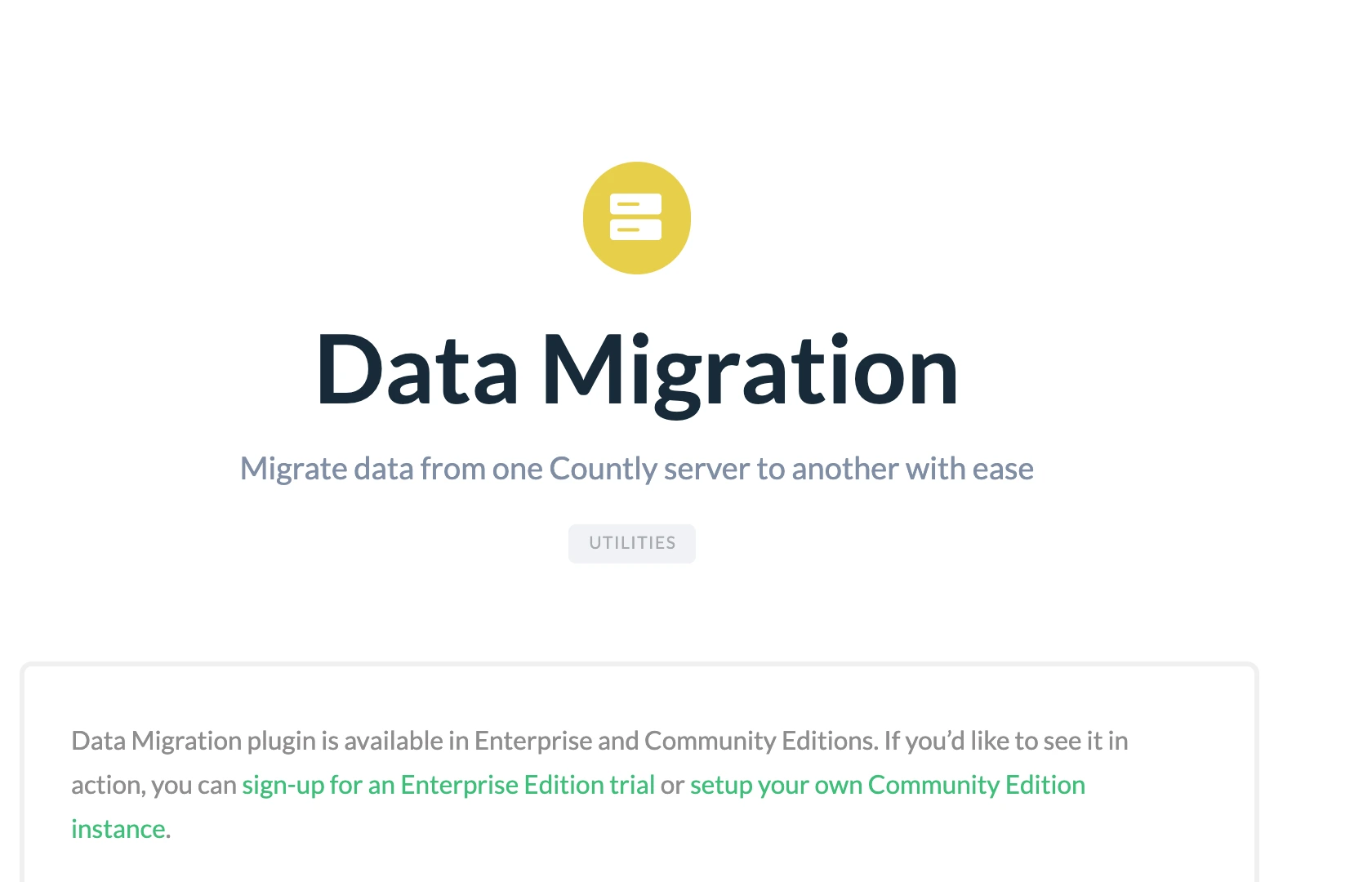
We built a custom WordPress plugin for the client's platform. WordPress is the website system the plugin runs on.
An upgrade takes a single click.
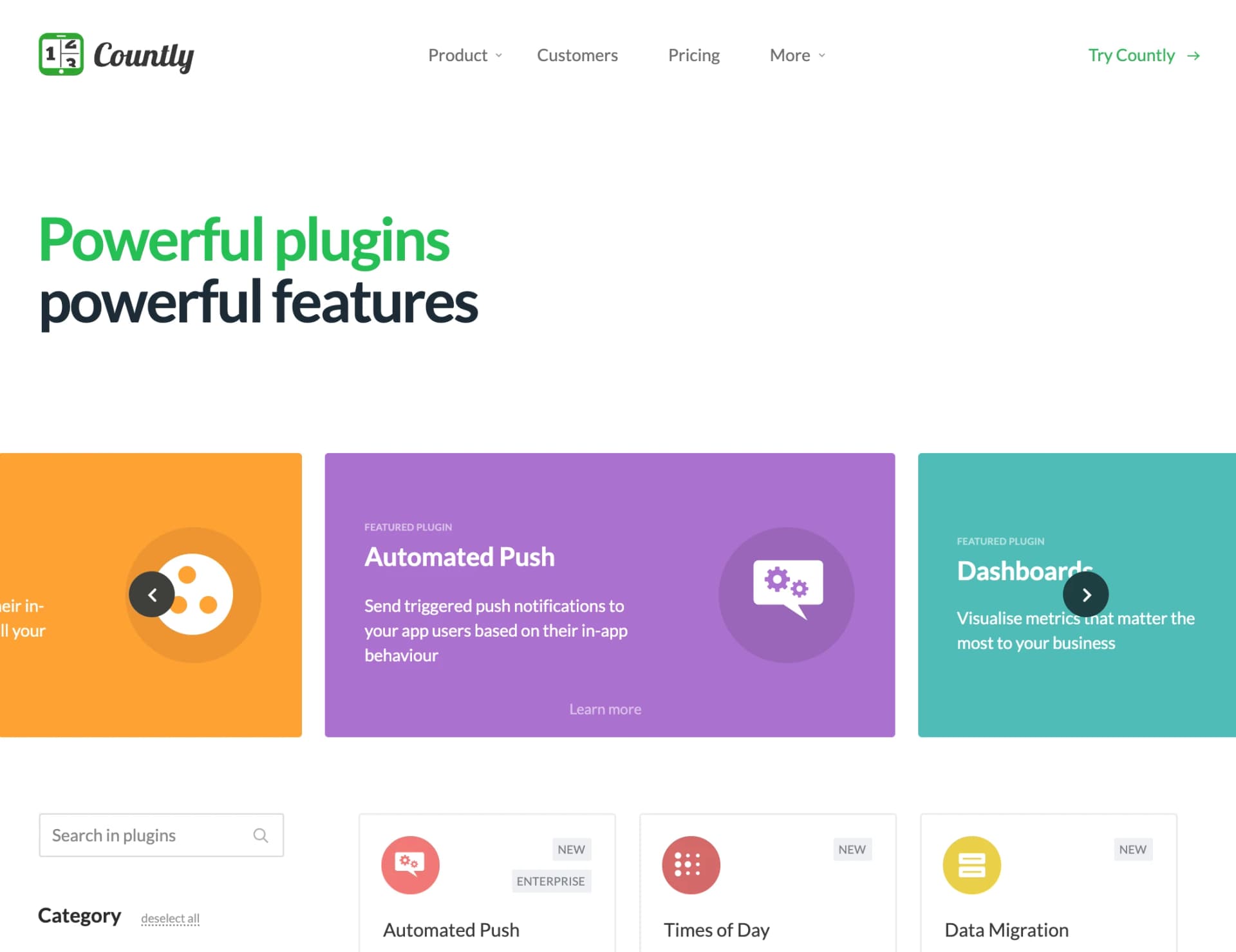
We built the front end of a marketplace where the client's add-on plugins were listed together. It connected to the client's own backend through its API, the link our pages used to fetch and send data.
People could browse it to find the plugins they wanted and download them from the same place.
The marketplace front end showed each plugin's searches, views and downloads, using data from the client's API.
We designed the UI and built the marketplace front end in HTML and CSS, on the client's backend API. We also built the custom WordPress plugin and SDKs for iOS and Android apps; the backend itself was the client's.
A plugin marketplace front end, connected to the client's backend API
We handled the UI design, the marketplace front end, the custom plugin and the mobile SDKs. The client's own team looked after the backend, and our front end connected to it through its API.
The client received a marketplace front end built to list all its add-on plugins in one place, on its own backend. Its custom plugin was built to upgrade in one click. Searches, views and downloads were shown for every plugin, so the client could see which plugins drew interest. The iOS and Android SDKs gave app developers a way to send data from their apps to the client.
They delivered on time and communicated well, almost never missing deadlines. They understood the project requirements and respected our deadlines.

5.0 out of 5 on Clutch, Mar 2018
Gorkem CetinProduct Manager, Countly
Yes, a marketplace front end can be built on an existing backend that already has an API. The front end fetches and sends data through that API, and the backend team keeps its own code. For the client, we built the plugin marketplace front end on the client's backend API.
A mobile SDK for an analytics platform is a kit of code that app developers add to their iOS or Android app, so the app can send usage data to the platform. We built iOS and Android SDKs for the client, in Swift and Kotlin.
The time to build a plugin marketplace and mobile SDKs depends on how many plugins you list, what you track and which platforms the SDKs cover. This work, with a marketplace front end, a custom plugin and iOS and Android SDKs, took 3–6 months.
Tell us what you're building. We reply within 24 hours and send a ballpark estimate within 48.