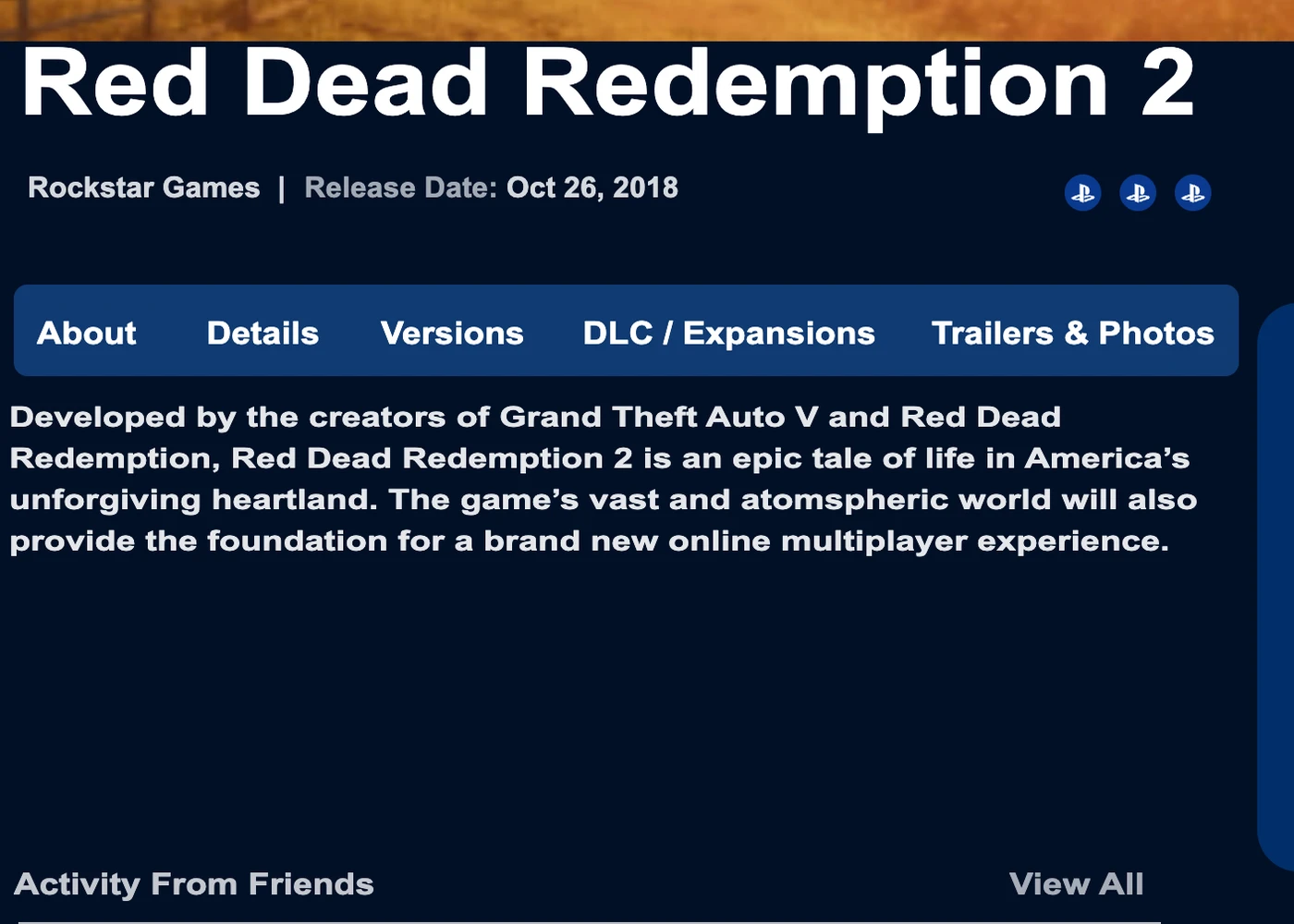
See every game and series in one place
A catalogue of 5,000+ games synced from IGDB

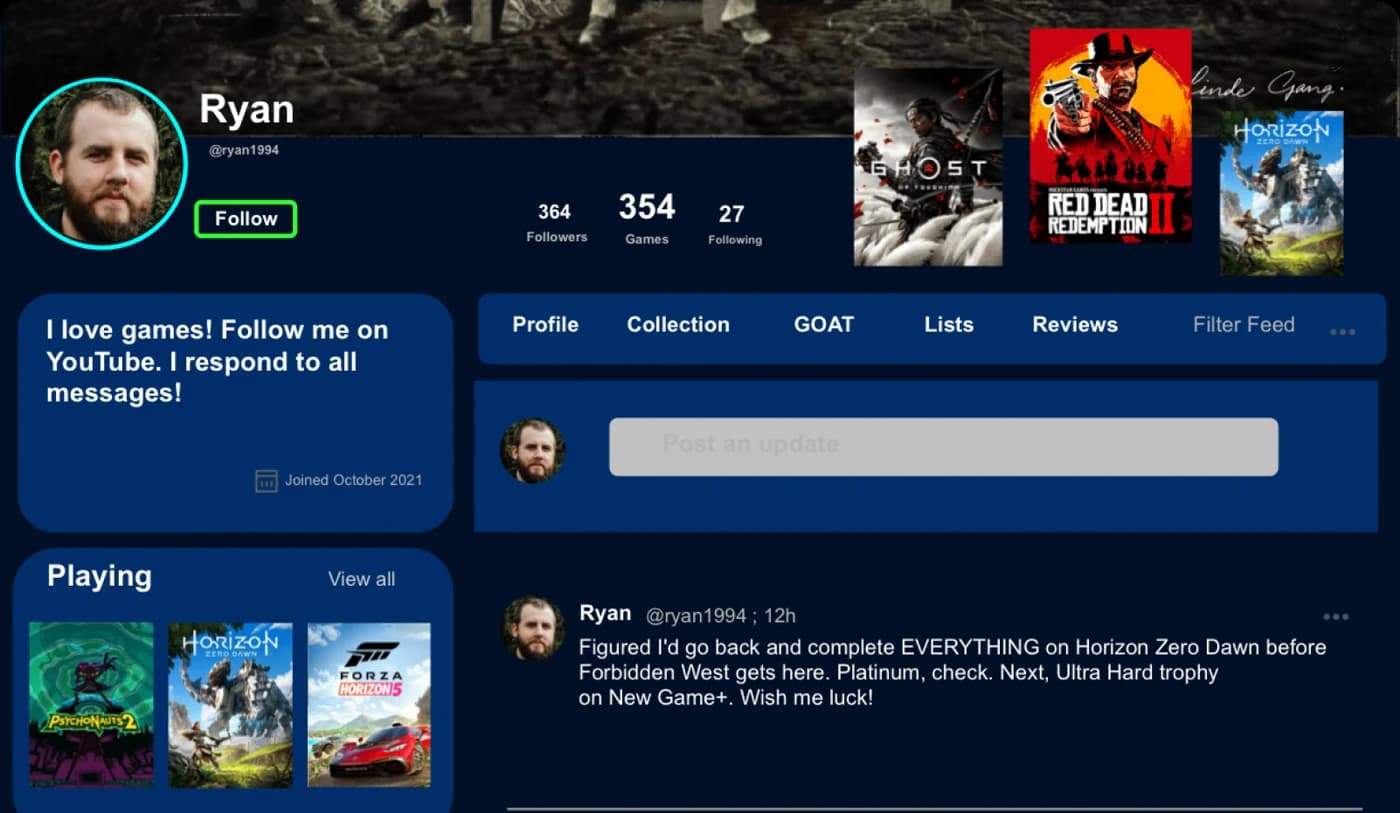
Gamers catalogued the games they owned across platforms, kept a journal, rated games and followed friends. The web app is no longer live.
 Video game collection platform
This web app let gamers catalogue the games they owned across platforms, keep a journal, rate games and follow friends. Its catalogue of more than 5,000 games stayed in step with IGDB, a large third-party video game database, and search worked across languages. Techuz built it in about 12 months, and it had more than 1,200 users while it was live.
Its users were gamers who owned games on more than one platform and wanted them all in one place.
They browsed games and series, built lists and a watchlist, and rated and reviewed what they’d played. They could also look at other players’ profiles. Access ran on monthly or yearly plans.
A collection tracker is only as good as its catalogue. The client needed thousands of games in the platform, kept up to date as the source data changed.
The tricky part was names. Games are released under titles in different languages, often with special characters, and players still expect search to find them.
Two choices shaped this platform. We kept our own copy of the IGDB catalogue, updated by webhooks, and we built search that matched game names across languages.
We imported the catalogue, more than 5,000 games, into the platform’s own MySQL database through IGDB’s API, its data feed.
Here’s how it worked. IGDB sent a webhook, an automatic message, whenever a game was added, deleted or edited. The platform then updated its own copy.
Game titles come in many languages and often include special characters. A plain text search can miss them.
Here’s how it worked. We added multi-language support to search and optimised the API behind it.
Gamers used the web application to build and share their collections. Behind it, a Node.js backend on AWS held the synced IGDB catalogue and ran subscriptions.
A catalogue of 5,000+ games synced from IGDB
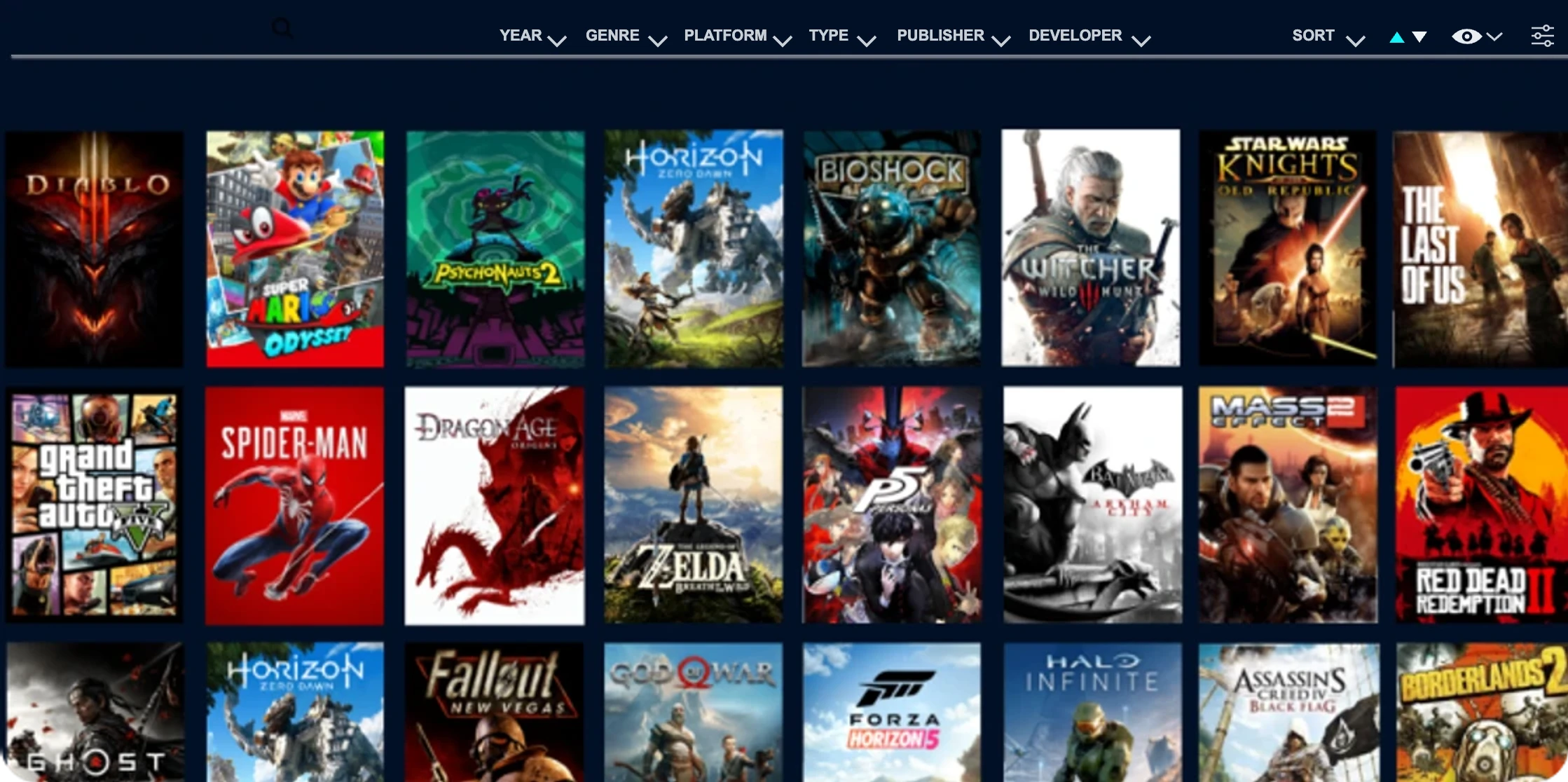
Lists and a watchlist
We built the web application and its backend, connected the catalogue to IGDB, and wrote the user guides.
5people
While the web app was live, it had more than 1,200 users cataloguing their games. Its catalogue held more than 5,000 games, updated whenever IGDB changed one.
Figures shared by the team, from while the web app was live.
They were organized, professional and responsive, and they wanted me to succeed. Management was very responsive and accommodating.

5.0 out of 5 on Clutch, Jun 2023
CEO, Gaming Company
Import the games into your own database once, then let IGDB’s webhooks tell you about every change. Each webhook is an automatic message sent when a game is added, deleted or edited. Here, that kept a local copy of 5,000+ games up to date.
Build multi-language support into search, and make sure special characters in titles don’t stop a match. Then optimise the API behind it. This collection tracker did both for its whole IGDB catalogue.
The time to build a game collection web app depends on how much game data you bring in, how you keep it current and what players can do with it. This one took about 12 months, including the IGDB sync, search and subscriptions.
Seekers are matched to jobs on more than 15 parameters, and employers post, review and hire in one web app
Friends pay their share in the app, and the money goes straight to the organiser’s bank account
Tell us what you're building. We reply within 24 hours and send a ballpark estimate within 48.